Coworking for Freelancers London Guide to Prices, Memberships and Best Areas 2026
By Steve Dempsey, Head of Media | spacebly
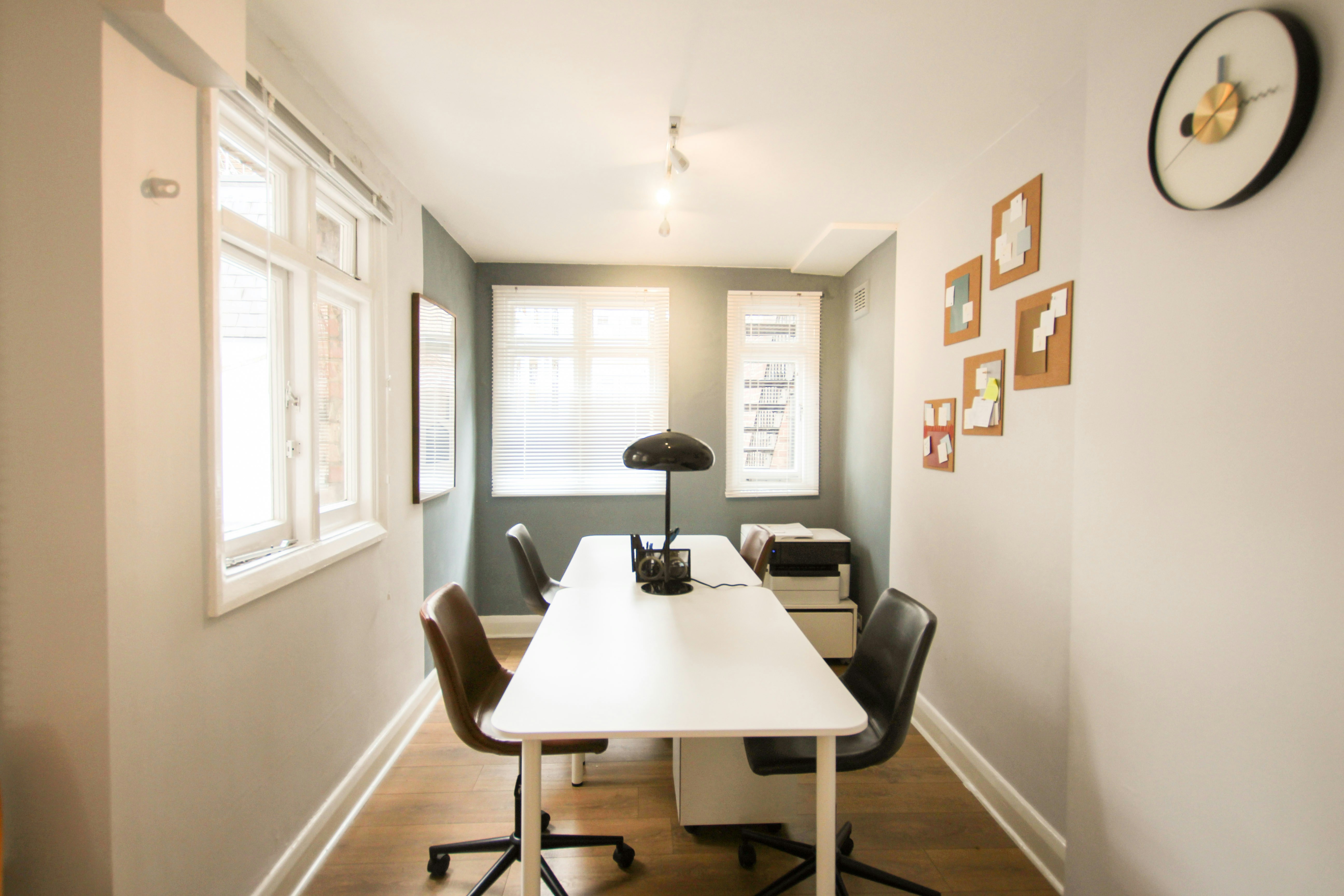
Coworking for Freelancers London: Best Spaces, Pricing, Neighborhoods & What to Choose in 2026
Choosing the right coworking for freelancers London can feel harder than it should. On one side, working from home offers convenience but often blurs the line between life and work. On the other, cafes are rarely reliable for calls, concentration, or client meetings. For freelancers, consultants, creatives, founders, and remote professionals, the real question is not whether coworking is worth considering, but which setup delivers the best value for the way you actually work.
London’s flexible workspace market is broad, fast-moving, and highly neighbourhood-dependent. Prices, community quality, access hours, and amenities can vary significantly between central business districts, startup hubs, and emerging value areas. Wider shifts in labour patterns and remote work continue to shape demand, with official context from the UK Office for National Statistics helping explain why more independent professionals are looking for flexible places to work.
This guide breaks down the best coworking options by work style, budget, membership type, and location. You will learn how to compare day passes, hot desks, dedicated desks, and team setups, which London neighbourhoods suit different professions, what amenities matter most, and when it makes sense to upgrade your plan. If you want practical advice before booking your next workspace, this article will help you make a smarter choice.
Why coworking for freelancers London is growing in 2026
The appeal of coworking for freelancers London is growing because flexible work is no longer a temporary arrangement. Independent professionals increasingly want an environment that feels more structured than home and more dependable than a cafe, without the commitment of a traditional office lease. That is especially true in London, where long commutes, small living spaces, and a high concentration of service-based work make professional flexibility a practical advantage.
For many users, coworking for remote workers London solves several problems at once. It offers predictable monthly costs, stable Wi-Fi, meeting rooms, call booths, and a work-focused atmosphere that supports productivity. It also creates better boundaries. Instead of working from the kitchen table late into the evening, freelancers can separate work time from home life and preserve energy for client delivery, business development, and personal time.
There is also a networking advantage. In a city with constant business activity, a good coworking space can generate referrals, collaborations, and introductions that simply do not happen when working alone. At the same time, London’s flexible office market continues to be shaped by occupier demand and pricing trends reported by firms such as Cushman & Wakefield’s London office market reports, JLL UK research, and CBRE’s UK real estate market outlook, all of which reinforce how central flexible workspace has become for modern professionals.
Who should use freelancer-friendly coworking spaces in London
Not every flexible worker needs the same environment. The best freelancer-friendly coworking spaces in London depend on what kind of work you do, how often you meet clients, the level of privacy you need, and how far you are willing to commute. A consultant who hosts presentations has different priorities from a designer who needs a quiet desk with natural light, and both differ from a founder planning to hire over the next six months.
That is why comparing spaces by headline price alone often leads to poor decisions. The right fit comes from matching your daily workflow with the workspace format, neighbourhood, and amenity mix on offer.
Freelancers and consultants who need credibility and meeting space
For client-facing independents, coworking for consultants London is often about more than a desk. It is about credibility. A polished reception, bookable meeting rooms, professional background settings for video calls, and a central business address can strengthen how clients perceive your business. If you regularly host presentations, interviews, or strategy sessions, these features quickly move from nice-to-have to essential.
When evaluating coworking for freelancers London in this category, look closely at meeting room availability, how phone booths are managed, whether guest access is simple, and whether staff can help with visitor handling or mail. For consultants, accountants, coaches, recruiters, and advisors, these operational details affect both efficiency and brand image. If meeting facilities are a priority, compare options in this serviced office with meeting rooms London guide.
Remote workers, creatives, designers and developers with focused work needs
Coworking for remote workers London often prioritises concentration over visibility. Solo workers and specialists typically value quiet zones, ergonomic chairs, strong internet, quality lighting, and enough desk space to settle in for deep work. For creative professionals, the atmosphere matters too. Coworking for creatives London may mean design-led interiors, event programming, or a community of photographers, writers, producers, and makers.
Coworking for developers London and coworking for designers London can overlap, but not always. Developers may place extra weight on stable connectivity, monitor support, longer access hours, and low-distraction layouts. Designers may care more about visual environment, breakout areas, studio-style energy, and screen-friendly desk setups. The best spaces understand these differences rather than treating all freelancers the same. For a broader look at workspace features for this audience, see this creative office space London guide.
Founders, startups and small teams that may scale
Coworking for founders London often starts with flexibility. Early-stage businesses may begin with one or two hot desks, then shift into team memberships or enclosed space as the company grows. For coworking for startups London, contract agility matters because hiring plans, funding timelines, and revenue can change quickly.
Coworking for small teams London and coworking for hybrid teams London should be assessed with growth in mind. Ask whether the operator can add desks mid-term, whether nearby private offices are available, and whether the location helps with talent attraction, investor meetings, and customer access. In London, startup activity and business formation patterns also tie into official data such as Companies House records on UK company registration, which offer useful broader context for where entrepreneurial demand is building. Teams comparing flexible setups can also use this startup office space London guide for founders.
How to choose the right membership type
The main membership types in London coworking spaces are straightforward on paper, but the best choice depends on how frequently you work on-site and what you need the space to do. A freelancer visiting twice a month should not be paying for the same plan as a consultant who needs daily access and weekly meeting rooms. Matching usage to cost is the simplest way to avoid overpaying.
Day passes for occasional use
Day passes are ideal for part-time freelancers, people in transit between meetings, or anyone testing coworking for freelancers London before committing. They are also useful for coworking for remote workers London when home internet fails, when a burst of focused work is needed, or when a central base is helpful for a specific client day.
The trade-off is cost efficiency. Day passes provide maximum freedom but usually carry the highest per-day rate. If you use a space more than a handful of times each month, a recurring plan often becomes better value. For a more detailed comparison, review this coworking day pass London guide.
Hot desks for routine flexibility
Hot desks suit freelancers who want a regular base without committing to a fixed seat. For many types of coworking for freelancers London, this is the sweet spot: lower cost than a dedicated desk, more consistency than ad hoc passes, and access to community features such as events, kitchens, lounges, and member directories.
Coworking for consultants London and coworking for creatives London often works well in hot desk environments when storage needs are light and the user values mobility. The key questions are access hours, desk availability at busy times, locker options, and whether the atmosphere supports your preferred balance of sociability and concentration. If you want to benchmark this format, see the best hot desking London guide.
Dedicated desks and private studios for specialists
A dedicated setup is worth considering when continuity matters. Coworking for developers London, coworking for designers London, and coworking for consultants London can all benefit from a fixed base if you use monitors, specialist equipment, reference materials, or confidential files. Being able to leave your setup in place saves time and reduces friction in the workday.
Private studios or dedicated desks also help professionals who need a stronger sense of ownership, more privacy, or a quieter routine. The higher monthly cost can be justified if your output improves and your setup becomes more efficient.
Team memberships and private offices for growth
For coworking for startups London, coworking for founders London, coworking for small teams London, and coworking for hybrid teams London, the choice often comes down to team desks versus a private office. Team memberships keep costs lower and maintain flexibility, but shared environments can create noise, privacy, and scheduling challenges as headcount rises.
Private offices offer more control, stronger brand presence, and easier collaboration, especially if your team takes frequent calls or handles sensitive material. Before signing, ask about deposit requirements, expansion rights, contract length, renewal terms, and what happens if you need to reduce space. If your team is outgrowing coworking, a private office space London guide can help with the next step.
Best London neighborhoods for freelancer coworking
Neighbourhood choice shapes the coworking experience as much as the workspace itself. Budget, transport, industry fit, and client expectations vary widely across London, so it makes sense to compare areas before comparing operators. If you want a broader area-by-area shortlist, see Best coworking spaces in London.
Commute access is a major part of this decision. Official routing and accessibility information from Transport for London can help you assess whether a location works for your daily travel pattern, client visits, and team coordination.
Central London: Soho, Holborn, Fitzrovia and Covent Garden
These central districts are strong options for coworking for consultants London, coworking for creatives London, and coworking for designers London. They are highly accessible, easy to explain to clients, and often come with a premium business image. If your work depends on in-person meetings, interviews, or workshops, central London can reduce friction and support a more polished client experience.
The downside is price. Day passes, memberships, and meeting rooms typically cost more here than in outer neighbourhoods. Still, for many client-facing professionals, the time savings and reputational benefit justify the premium. For a closer area-specific view, explore this Coworking Soho London guide.
East London: Shoreditch, Old Street and Hackney
East London remains a natural fit for coworking for startups London, coworking for developers London, coworking for founders London, and coworking for designers London. Shoreditch and Old Street in particular have strong links to tech, digital products, and creative services, which can make networking more relevant and energising than in generic office environments.
Pricing varies. Some spaces command premium rates because of brand and location, while others provide relatively good value just beyond the main core. For growth-focused businesses, East London can offer a useful combination of community, visibility, and hiring appeal. Broader economic and planning context from the Greater London Authority can also help explain why these districts continue to attract flexible workspace demand. If East London is your focus, compare options in this coworking neighborhoods guide covering Shoreditch and other key areas.
South and emerging value areas: London Bridge, Southwark, Peckham and beyond
For coworking for remote workers London, coworking for small teams London, and coworking for freelancers London seeking stronger value, southern and emerging areas deserve close attention. London Bridge and Southwark provide excellent transport links and solid access to central clients, often with slightly better economics than West End addresses. Peckham and similar fringe locations may suit professionals who prioritise affordability and local creative energy over a formal corporate image.
This category is especially useful for users balancing cost with practicality. A marginally longer commute can unlock significantly better monthly value, larger desks, or more generous amenities.
What amenities matter most for different types of freelancers
Amenities should be judged by usefulness, not by how impressive they sound on a brochure. The right coworking for freelancers London will include the features that directly support your work, client service, and daily comfort. If you are comparing multiple spaces, create a checklist and score each amenity against your actual routine.
Internet, phone booths and meeting rooms
For coworking for consultants London and coworking for remote workers London, reliable connectivity is non-negotiable. Ask whether internet speeds are guaranteed, how many providers serve the building, and what support exists if service drops. Equally important are phone booths and meeting rooms. If booths are always full or rooms are hard to book, your ability to work professionally can suffer.
During a tour, ask how rooms are priced, whether credits are included, if guests can be hosted easily, and whether booths are acoustically private enough for sensitive calls.
Creative and technical setup requirements
Coworking for creatives London, coworking for developers London, and coworking for designers London often depends on practical setup quality. Check whether desks can accommodate external monitors, whether power supply is convenient, and whether the environment supports long focus sessions. Noise levels matter more than many first-time users expect. A stylish lounge-heavy space may look appealing but still be poor for deep technical work.
Some professionals may also want studio atmosphere, maker-friendly layouts, or infrastructure that supports heavier software use and extended access hours. If your output depends on concentration and equipment, test the space as if you were already a member.
Community, events and business support
For coworking for founders London, coworking for startups London, and coworking for freelancers London generally, community can be a real business asset. The best spaces do more than host social drinks. They create relevant introductions, skills workshops, partnerships, and useful peer networks. For independent professionals, that can lead to referrals and collaborations. For founders, it can support hiring, fundraising, and customer discovery.
The key is to distinguish social buzz from professional value. Ask who attends events, whether members actually collaborate, and whether community managers actively make introductions.
Pricing benchmarks: what freelancers should expect to pay in London
Pricing for coworking for freelancers London varies by location, access level, operator brand, and what is included. As a general guide, day passes in London often sit at the budget-to-premium range depending on area and facilities, hot desk memberships tend to rise sharply in core central zones, and dedicated desks or private offices carry a meaningful premium once storage, privacy, and meeting room inclusions are added.
For coworking for small teams London and coworking for hybrid teams London, value should be judged across the full package rather than desk cost alone. A slightly higher monthly rate may be worthwhile if it includes meeting room credits, better access, stronger internet, or a more useful location.
How location, access and inclusions affect cost
Central neighbourhoods usually charge more because of access, prestige, and demand. Premium operators may also price in hospitality, design, reception services, and broader amenity packages. By contrast, outer or emerging areas can offer lower entry pricing but may involve trade-offs in convenience or image. For coworking for consultants London and coworking for freelancers London, that balance should be assessed against your actual business needs.
Always check hidden costs. VAT may not be shown in the first figure you see. Meeting rooms can be charged separately. Printing, lockers, registered business address services, guest access, and after-hours use may all cost extra. Market context from the Valuation Office Agency and official land and property context from HM Land Registry can help explain broader property cost differences between locations, while Savills UK research offers useful commercial market insight. For broader cost context beyond coworking, this office rent London prices guide is also useful.
When a freelancer should upgrade from a day pass to a membership
A simple break-even test works well here. Add up how many days you realistically use the space each month, then compare that total day-pass cost with the cheapest membership that covers your pattern. For many users of coworking for freelancers London, once usage becomes regular, the membership quickly wins on both price and convenience.
Coworking for remote workers London should also factor in non-financial benefits. A membership may reduce time spent searching for space, improve workflow through routine, and cut indirect costs such as train fares between scattered meeting points or lost time from working in unsuitable environments.
How to evaluate a coworking space before joining
Before joining any coworking for freelancers London option, treat the process like due diligence rather than a casual drop-in. Take a tour, request a trial if possible, compare contract terms, and build a simple spreadsheet that scores the spaces you are considering on cost, location, privacy, noise, amenities, and room availability.
What looks great on a website does not always translate into a productive daily environment. Testing the space at the times you would genuinely use it is one of the best ways to avoid regret.
Questions freelancers should ask on a tour
When touring coworking for freelancers London, ask practical questions. What are the contract terms and notice periods? Is internet speed consistent throughout the day? What is the noise policy? Are phone booths sufficient at peak times? How is building security handled? Can mail be received? What are the rules on guests and client visits? For coworking for consultants London and coworking for creatives London, these details can materially affect daily use.
It is also smart to visit at the hour you expect to work most often. A quiet mid-morning tour may hide a noisy, overcrowded late afternoon reality.
Red flags for startups and hybrid teams
For coworking for startups London, coworking for founders London, coworking for hybrid teams London, and coworking for small teams London, common red flags include overcrowded hot desk areas, limited privacy, poor meeting room availability, weak sound insulation, rigid contracts, and vague expansion pathways. These issues may not matter to a solo drop-in user, but they become serious problems for a growing team.
Also watch for unclear pricing, inconsistent community management, and layouts that make hybrid collaboration awkward. If your team will need to grow, host visitors, or run regular calls, small operational weaknesses can become expensive quickly.
Final thoughts: finding the best freelancer coworking fit in London
The best coworking for freelancers London is not necessarily the cheapest, the trendiest, or the most central. It is the space that fits how often you work on-site, the kind of tasks you do every day, the impression you want to create with clients, and the level of community or privacy you actually need. Whether you are comparing day passes, hot desks, private studios, or team space, the smartest choice comes from balancing budget, location, amenities, and flexibility.
If you are ready to narrow your options, explore listings on Spacebly and compare spaces by neighbourhood, access model, and business needs. A well-chosen workspace can improve productivity, strengthen your professional presence, and give your business room to grow in 2026 and beyond. You can also browse the best coworking London guide by area for a wider shortlist.