Coworking for Freelancers London: 2026 Neighborhood Guide, Membership Types and Costs
By Lizzy, Founder | spacebly
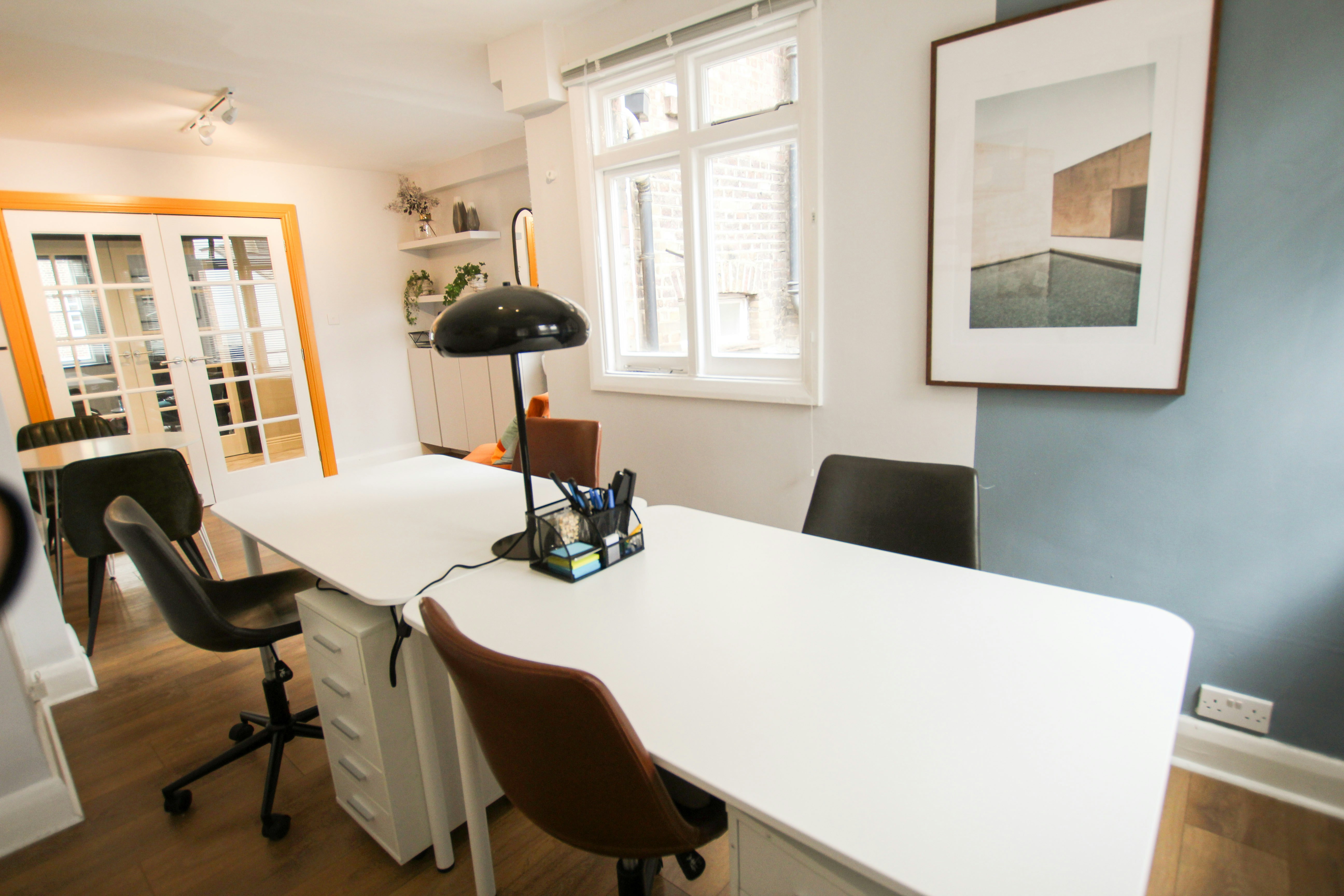
Coworking for Freelancers London: Best Spaces, Prices, and Neighborhoods for 2026
Finding the right workspace in London is rarely just about a desk. For freelancers, it is often a decision about focus, credibility, commute time, cash flow, and whether a space actually supports the way you work. In 2026, demand for coworking for freelancers London continues to rise as more independent professionals look for flexible alternatives to long leases, noisy cafés, and distracting home setups.
Whether you are a consultant meeting clients, a designer needing a creative atmosphere, a developer looking for reliable infrastructure, or a founder testing the line between solo work and team growth, London offers a broad mix of coworking options. The challenge is knowing which neighborhoods, pass types, and amenities deliver real value for your work style rather than simply the best marketing.
This guide breaks down the best coworking choices for freelancers across London, including pricing expectations, area-by-area differences, membership structures, and practical evaluation tips. It is designed to help remote workers, consultants, creatives, developers, startups, small teams, and hybrid teams compare spaces with confidence before committing.
Why coworking for freelancers in London is growing in 2026
The growth of coworking for freelancers London reflects wider shifts in how people work, build businesses, and manage professional life in expensive urban markets. London has a large and varied independent workforce, and the continued normalisation of flexible work has made short-term workspace access more attractive than ever. Official labour market and working-pattern data from the UK Office for National Statistics helps explain why demand for flexible work settings remains strong across the capital.
For many freelancers, coworking solves the problems that home and café working cannot. At home, distractions, isolation, and lack of separation between work and life can reduce output. In cafés, Wi-Fi quality, privacy, noise, and call etiquette can become constant friction points. By contrast, coworking for remote workers London offers a more reliable base with business-grade internet, quiet zones, meeting rooms, and a professional environment that supports both heads-down work and client interaction.
There are also macro factors at play. London’s business districts remain highly active, with economic insights from the City of London Corporation and broader city-level trends from the Greater London Authority showing continued concentration of professional services, startups, and creative industries. For freelancers, that means coworking is not only about productivity, but also about staying close to opportunities, collaborators, and clients.
The strongest appeal of coworking in 2026 comes down to four core benefits: better focus, more flexible pricing, stronger networking potential, and access to client-ready space on demand. Those advantages matter whether you are a solo consultant, a creative contractor, a founder building a service business, or someone balancing several remote contracts across London.
How to choose the right coworking space as a freelancer
The best coworking for freelancers London depends less on brand and more on fit. Start with your weekly usage. If you only need a workspace one or two days a week, paying for a premium unlimited membership may not make sense. If you take regular calls, host clients, or need a consistent routine, a more structured plan can quickly justify its cost.
Budget should be considered in total monthly value, not just the headline desk rate. Think about meeting room charges, printing, phone booth access, guest passes, and whether VAT is included. If your work is highly margin-sensitive, a cheaper neighborhood with reliable transport can outperform a prestige address. If you are searching for coworking for consultants London, though, postcode and presentation may directly influence client perception.
Commute is another major decision factor. Use official journey planning and network coverage from Transport for London to judge whether a location is realistic during peak hours, especially if you plan to attend often. A great workspace loses value fast if getting there becomes a weekly drain.
Your work style matters just as much. Writers, analysts, developers, and editors often prioritise quiet, ergonomics, and reliable screens. Designers and creative freelancers may care more about layout, natural light, visual energy, and a collaborative community. If you are exploring coworking for founders London, look for spaces that support light scaling, introductions, events, and flexible team add-ons rather than just solo seating.
Finally, think about business stage. A brand-new freelancer may need occasional access and low commitment. A more established solo operator might need prestige and client-ready rooms. Someone regularly working with subcontractors may already be approaching small-team needs. Choosing well means matching the product to the real shape of your work today, with enough flexibility for six to twelve months ahead.
Day passes vs hot desks vs memberships
For anyone comparing coworking for freelancers London, the biggest decision usually comes down to access type. Day passes are the most flexible option. They suit freelancers who need occasional escape-from-home days, want to test different spaces, or only come into London for meetings. The downside is cost per visit can be high, and you often get limited extras.
Hot desks are a good middle ground for freelancers who want regular use without paying for a fixed seat. They work well if you need two to five days of access each week and do not mind sitting in different spots. This model tends to suit remote workers, consultants, and developers who value affordability and flexibility over permanence. For a deeper comparison, see our best hot desking London guide.
Part-time plans are ideal for cash-flow conscious freelancers who want predictability. For example, a membership covering five or ten days per month can be more economical than buying separate passes. These plans often appeal to project-based professionals whose workload varies month to month.
Full monthly memberships make the most sense when coworking becomes your primary office. If you are there most weekdays, need phone booths frequently, or use meeting rooms often, a monthly plan generally offers better value and a more stable routine. The right choice usually comes down to attendance frequency, billing stability, and whether workspace is a core operating need or an occasional convenience.
Amenities that matter most for solo professionals
Not all amenities are equal. For coworking for consultants London, the priorities are often strong reception presence, polished meeting rooms, soundproofed phone booths, fast booking systems, and dependable guest access. If you regularly host clients, first impressions and privacy matter as much as the desk itself.
For coworking for remote workers London, essentials usually include stable high-speed Wi-Fi, backup internet, ergonomic seating, comfortable temperature control, quiet zones, and opening hours that match international clients or irregular schedules. A good kitchen and breakout area also make a real difference for people spending full days on site.
Solo professionals should also check for lockers, printing, monitor availability, natural light, and cleanliness standards. Creatives may value event programming and community introductions, while production-focused freelancers may care more about acoustic control and minimal distractions. The best spaces do not simply list amenities; they make them usable without friction or extra fees.
Best London neighborhoods for freelancers seeking coworking
Neighborhood choice shapes your coworking experience almost as much as the workspace itself. Cost, transport access, industry concentration, client convenience, and day-to-day atmosphere vary significantly across London. If you are comparing options, it helps to view area selection as a strategic business decision rather than just a postcode preference.
As a starting point, you can also explore our broader guide to Best Coworking Spaces in London (2026): Day Passes, Hot Desks, Neighborhoods & Memberships for a wider market overview. That bigger picture is useful before narrowing down the best coworking for freelancers London by area, profession, and budget.
Location intelligence from commercial market sources like Savills UK research, JLL UK research, and Knight Frank research can also help frame why some districts command premiums while others offer stronger relative value. For freelancers, the right neighborhood often depends on whether you need clients, community, creativity, or cost control most.
Central London: Soho, Covent Garden, Holborn, and Fitzrovia
Central London remains one of the strongest choices for coworking for consultants London, coworking for designers London, and coworking for creatives London. Soho and Covent Garden are especially appealing for freelancers who want energy, hospitality, and easy access to clients in media, branding, luxury, and professional services.
Holborn and Fitzrovia often suit those wanting a slightly more balanced atmosphere: central, polished, and well connected, but sometimes less hectic than Soho. These districts are strong for people who need regular meetings, convenient Tube access, and an address clients instantly recognise. If you want an area-specific view, this coworking Soho London guide is a useful next read.
The trade-off is pricing. Central spaces often carry higher desk rates, premium meeting room charges, and stronger demand for limited inventory. However, if your income depends on client confidence, speed of travel, or high-quality hosting, the premium can be justified. This is particularly true for independent consultants, strategists, and creative leads whose workspace doubles as a business front.
East London: Shoreditch, Old Street, and Hackney
East London is a natural fit for coworking for startups London, coworking for developers London, and coworking for founders London. Shoreditch and Old Street remain associated with startup density, product teams, digital agencies, and active event culture. That concentration can be useful for freelancers seeking collaboration, referrals, and exposure to fast-moving businesses.
Hackney broadens the appeal with a more local, creative, and community-led feel. Depending on the exact location, it can offer a better balance between atmosphere and price than the most branded central spaces. This makes it attractive to creatives, makers, and independent operators who want personality without giving up practical infrastructure.
East London also tends to have a wider mix of design-led boutique spaces and more functional operator models. For freelancers, that creates more room to match budget and work style. If you thrive on community, startup conversations, and event-driven networking, these neighborhoods are often among the most compelling options in the city. You can compare local options further in our Coworking Shoreditch 2026 guide.
South and West London: Waterloo, London Bridge, Hammersmith, and Kensington
South and West London offer strong alternatives for freelancers who want excellent transport without always paying the very highest central premiums. Coworking for remote workers London often works well in Waterloo and London Bridge, where major rail links make cross-city and regional access easier for people splitting time between home, client sites, and the office.
Hammersmith can appeal to freelancers and consultants serving West London clients or travelling frequently via road and rail corridors. Kensington, meanwhile, tends to offer a more polished and client-friendly environment, often attractive for premium service providers and boutique firms.
These districts can also be practical for coworking for small teams London when a solo freelancer starts collaborating regularly with a few contractors or project partners. The atmosphere is often less startup-heavy than parts of East London, which some remote workers and professional service operators see as a benefit rather than a drawback. If West London is your focus, our coworking West London guide may help narrow your shortlist.
Typical coworking prices for freelancers in London
Pricing for coworking for freelancers London varies widely by location, operator, building quality, and what is included. As a broad 2026 guide, day passes in London commonly range from around £20 to £45 in value-focused areas, and from roughly £35 to £60 or more in prime central districts. Branded premium operators can sit above these ranges, particularly where hospitality and fit-out quality are part of the offer.
Monthly hot desk memberships often start around £150 to £250 in more affordable outer or secondary locations, moving into the £250 to £450 range across many popular districts, and climbing higher in premium central London. Part-time memberships usually sit below full hot-desk rates but above occasional day-pass usage, depending on access frequency.
Dedicated desks generally begin from roughly £300 to £500 in many areas and can exceed £600 to £800 in high-demand central neighborhoods. Meeting rooms may be bundled with credits or charged separately, often from about £20 to £80+ per hour depending on room size and building grade. Property context from the HM Land Registry, valuation context from the Valuation Office Agency, and district-level market research all help explain why these pricing bands can differ so sharply across London.
What freelancers should expect to pay by area and plan type
In Central London, freelancers should generally expect the highest pricing across day passes, hot desks, and dedicated memberships. Soho, Covent Garden, Fitzrovia, and nearby postcodes often command a premium for location, hospitality, and client convenience. East London can still be expensive in top-demand pockets like Shoreditch, but there is usually a broader range from boutique premium spaces to practical mid-market operators.
South London and West London often provide a wider spread of value. Areas such as Waterloo and London Bridge can still be highly competitive, especially near major stations, while Hammersmith may deliver better relative cost for regular users. Kensington tends to track more premium positioning.
Freelancers should also watch for hidden costs. Ask whether prices exclude VAT, whether meeting room credits expire, whether guest access is limited, and whether there are setup fees or deposits. Some operators advertise promotional rates that increase after an initial period. Others charge separately for lockers, printing, registered business addresses, or out-of-hours access. Always compare total monthly spend, not just the desk label. For a broader cost benchmark, see our office rent London prices 2026 guide.
When freelancers should upgrade to a small-team or hybrid setup
A freelancer usually outgrows solo coworking when collaboration becomes consistent rather than occasional. If you are meeting subcontractors weekly, storing equipment, booking meeting rooms repeatedly, or struggling to sit near the same people on a hot-desk plan, it may be time to consider coworking for small teams London.
Another sign is operational complexity. If your business now includes a virtual assistant, project manager, designer, or developer attending semi-regularly, a cluster of dedicated desks or a small team room may improve coordination. This is especially relevant for service businesses that have grown beyond solo delivery but are not yet ready for a traditional lease.
A more structured setup can also help coworking for hybrid teams London where people come in on different days. Some operators offer flexible bundles that allow shared attendance patterns without paying for full-time seats for everyone. For growing freelancers, that creates a practical bridge between independent work and a more established team model.
The best coworking setups by profession and work style
The best coworking for freelancers London is highly role-specific. A consultant’s ideal workspace may be completely different from a developer’s, even at the same budget. Thinking in terms of output, meeting frequency, collaboration style, and equipment needs makes coworking choices much clearer.
Best fit for consultants, remote workers, and client-facing freelancers
For coworking for consultants London, the strongest spaces tend to offer polished reception areas, professional meeting rooms, sound-controlled call spaces, and efficient visitor handling. Prestigious central postcodes can be especially useful where client confidence and convenience matter. If your clients expect a polished business environment, your workspace becomes part of your service delivery.
For coworking for remote workers London, quiet consistency is usually more valuable than a flashy fit-out. Look for dependable internet, backup connectivity, strong desk ergonomics, and booking systems that make phone booths and meeting rooms easy to access. Remote professionals with international teams should also pay close attention to opening hours and late-evening usability.
If your freelance work intersects with regulated sectors or finance-adjacent clients, checking business ecosystem context through the Financial Conduct Authority can be useful when assessing consultant-heavy districts and the types of firms clustered nearby. In practice, client-facing freelancers usually benefit from spaces where privacy, presentation, and transport are all strong. If meeting space is a priority, review this serviced office with meeting rooms London guide.
Best fit for creatives, designers, and developers
For coworking for creatives London, environment matters. Natural light, visual character, breakout areas, and a community with creative energy can all support better work. Designers often prefer spaces with good monitor setups, material-friendly desks, and layouts that make collaboration feel easy without becoming noisy.
The best coworking for designers London often sits somewhere between inspiring and functional. A beautiful fit-out is helpful, but not if call privacy is poor or desks are uncomfortable for long sessions. Look for spaces that understand practical production needs as well as brand aesthetics.
For coworking for developers London, priorities are often different again. Reliable internet, screen-friendly desks, quieter work zones, long opening hours, and a culture that respects deep work usually matter more than event-heavy social calendars. Some developers enjoy startup-driven atmospheres, while others prefer calmer spaces where concentration comes first. The best choice depends on whether your work is solo coding, product collaboration, or a mix of both. Creatives comparing workspace feel may also find our creative office space London guide useful.
Best fit for founders, startups, and growing small teams
Some freelancers are technically solo but function more like early-stage operators. If you are pitching, hiring contractors, building partnerships, or moving towards repeatable service delivery, coworking for founders London may be a better lens than standard freelance coworking. In these cases, community quality, event access, investor proximity, and growth flexibility become more important.
The best coworking for startups London tends to offer more than desks. Look for introductions, ecosystem programming, flexible meeting spaces, and the ability to scale from solo use to a small room without major friction. This can be especially helpful in East London and other business-dense clusters. Founders can also compare broader options in our startup office space London guide.
For coworking for small teams London and coworking for hybrid teams London, operators with flexible attendance models are particularly useful. If collaborators only come in on certain days, paying for a rigid full-time setup may be inefficient. The right space should support growth without forcing a premature lease commitment.
How to evaluate a coworking space before you join
Before committing to any coworking for freelancers London option, test the space as if you were already working there. Visit during your actual likely hours, not only during a polished sales tour. A quiet mid-morning viewing can hide lunchtime crowding, poor acoustic control, or heavy competition for phone booths later in the day.
Check internet speed and ask whether there is redundancy if the main connection fails. Assess desk comfort, monitor compatibility, lighting, cleanliness, temperature, security, and how access works after hours. If calls are central to your workflow, spend time near phone booths and open-plan zones to understand real noise conditions.
Also look closely at community quality. Are members mostly solo professionals, startups, corporate overflow teams, or a mix? Does that align with the type of environment you want? A beautiful space can still be a poor fit if the day-to-day user base or management style does not support your work rhythm.
Questions to ask on a tour or trial day
Ask practical questions that reveal how the space really operates. What are the opening times, and are they different on weekends or bank holidays? Is the Wi-Fi business grade, and is there a backup connection? How many phone booths are there relative to members, and are they booked or first come, first served?
For coworking for remote workers London, ask how meeting room credits work, whether booths have time limits, and whether guest access costs extra. Clarify if your membership is fixed-price or promotional, what notice period applies, whether upgrades or downgrades are allowed, and whether there are cancellation penalties.
You should also ask about cleanliness schedules, storage options, registered business address add-ons, printing rules, accessibility features, and building security. The more specific your questions, the easier it is to compare several spaces objectively rather than relying on surface impressions. A broader checklist is also covered in our best coworking London guide by area.
Final tips for finding the best coworking for freelancers in London
The best coworking for freelancers London is the one that fits your actual work pattern, not the one with the loudest brand or the trendiest postcode. Start with your budget, commute, and frequency of use, then compare neighborhoods, access models, and amenities through the lens of how you really work. Consultants may prioritise presentation and meeting rooms, creatives may value environment and community, and developers may need reliability and quiet above all else.
Shortlist a few strong options, take trial days where possible, and compare full monthly value instead of headline price alone. If your work is evolving towards collaboration, also keep an eye on whether a space can support founders, startups, small teams, or hybrid attendance later on.
In 2026, coworking for freelancers London offers more choice than ever, but the smartest decisions come from matching space to workflow, clients, and growth plans. Use this guide to narrow your options, then explore listings on Spacebly to compare available coworking spaces across London and find the setup that supports your next stage of work.