Coworking for Freelancers London Guide to Prices Areas Memberships and Amenities
By Peter Dudley, Co-Founder | spacebly
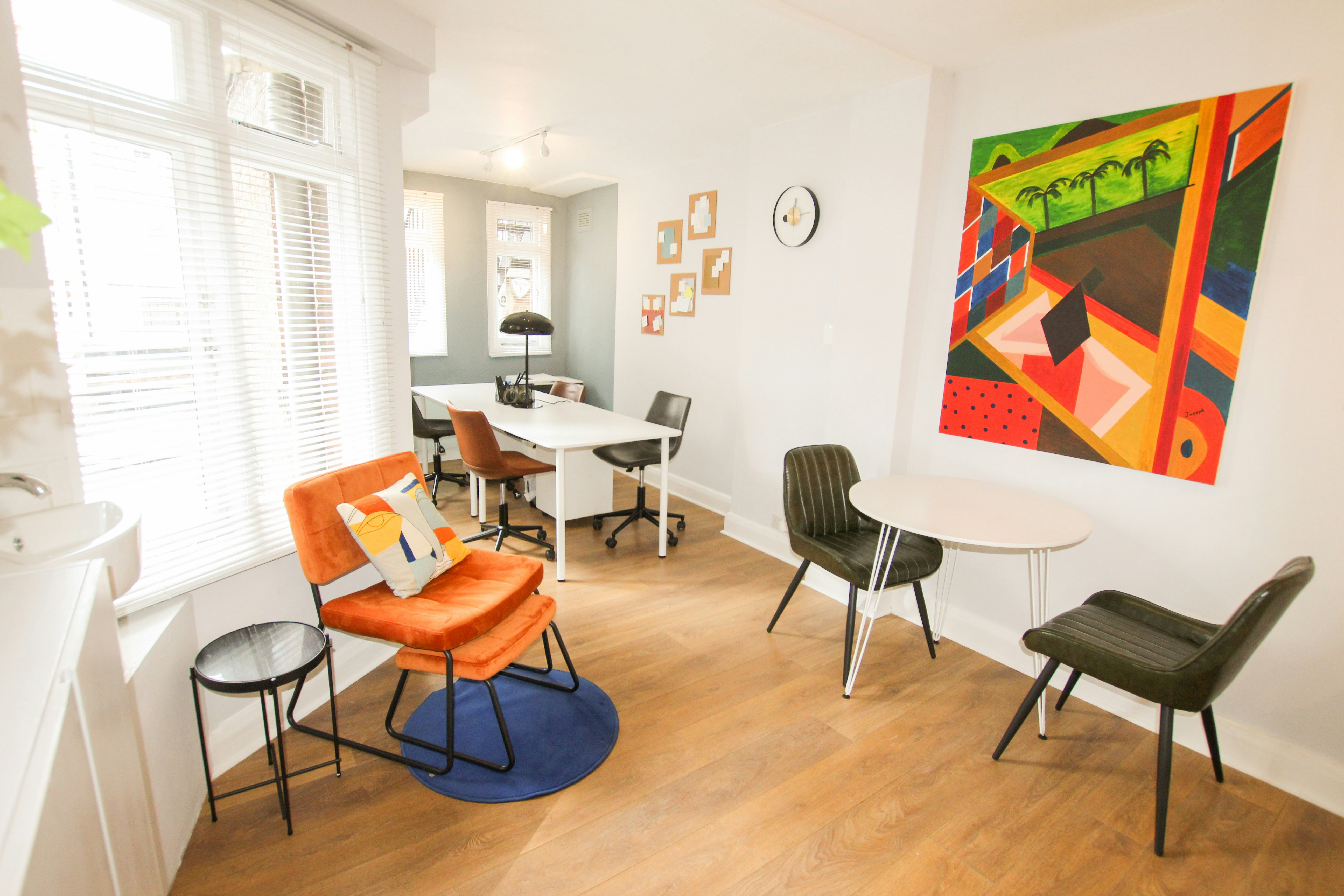
Coworking for Freelancers London: Best Spaces, Prices, Day Passes & What to Look For
For many independent professionals, finding the right place to work in London is no longer just about having a desk and decent coffee. Freelancers, consultants, creatives, developers, and solo founders often need something more reliable than a kitchen table and more professional than a busy café. That is why coworking for freelancers London has become such a practical option: it offers flexibility, structure, and access to amenities that support real client work.
London’s coworking market is broad, but that also makes it harder to compare spaces properly. A day pass that looks affordable can become expensive once meeting rooms, printing, or after-hours access are added. A stylish workspace may feel inspiring, but still be the wrong fit if the commute is poor or the noise levels make focused work difficult. For Australian property seekers researching the London market, understanding these trade-offs is especially useful when assessing how work patterns, location, and budget intersect.
This guide breaks down the main workspace types, common price bands, key neighbourhoods, and the features that matter most when choosing coworking for remote workers London and other freelancer-friendly options. By the end, you will have a practical framework for comparing day passes, hot desks, and memberships before committing.
Why coworking for freelancers in London keeps growing
The appeal of flexible workspace has grown alongside shifts in how people work across the capital. London has a large population of self-employed professionals, remote specialists, and small business founders who want more flexibility than a traditional office lease can offer. Public data from the UK Office for National Statistics continues to help explain the broader labour market and remote work trends behind this demand.
For many people, coworking for freelancers London solves problems that home working cannot. It creates routine, separates work from personal life, and gives independent workers access to reliable internet, meeting rooms, phone booths, and reception services. It also helps with professional credibility. Meeting a client in a well-run workspace usually creates a stronger impression than meeting in a noisy café or trying to host a call from a flatshare.
Coworking for remote workers London also provides something less measurable but equally important: community. Freelancers can feel isolated when working alone every day. A good coworking environment offers informal networking, peer support, and opportunities to collaborate without forcing a long-term commitment. As London’s office market continues to evolve, research from firms such as JLL UK commercial real estate research, Savills UK research, CBRE UK insights, and Knight Frank research regularly highlights the ongoing role of flexible workspace in occupier decision-making.
Who this type of workspace is best for
Freelancer-friendly coworking spaces are not one-size-fits-all. The best fit depends on how often you work away from home, whether you meet clients, how much privacy you need, and whether you expect to stay solo or grow into a small team. The same London workspace can be ideal for one profession and frustrating for another.
Some members value a low-cost desk they can use a few times a week, while others prioritise phone booths, event programming, design quality, or the ability to host workshops. Understanding your work style first will make it much easier to filter the many coworking for consultants London, coworking for creatives London, coworking for developers London, coworking for designers London, and coworking for founders London options on the market.
Freelancers and solo consultants
For solo professionals, the biggest priorities are usually affordability, flexibility, and professional presentation. Many people searching for coworking for freelancers London or coworking for consultants London do not need a permanent desk every day. What they do need is dependable access to a productive environment, strong Wi-Fi, and enough privacy to handle calls, proposals, and client meetings.
Meeting rooms and phone booths are especially valuable in this category. A consultant may only need them occasionally, but when they do, easy booking and predictable availability matter. It is also worth checking whether the space includes guest reception, quiet zones, or discounted room credits, as these can make a meaningful difference to how polished your service appears to clients.
Creatives, designers, and developers
People comparing coworking for creatives London, coworking for designers London, and coworking for developers London often need a different mix of features. Focused technical or creative work depends heavily on strong connectivity, comfortable seating, good lighting, and a layout that balances concentration with collaboration.
Developers may care most about quiet zones, ergonomic desks, and stable high-speed internet. Designers and other creatives may also value visual inspiration, breakout areas, and community events that lead to referrals or partnerships. In both cases, a workspace that feels energetic but constantly noisy can reduce productivity, so it is important to test the environment during normal working hours rather than relying on marketing photos.
Founders, startups, and small teams
Not every freelancer stays solo. Many independent professionals eventually hire contractors, bring on a co-founder, or start building a team. That is where coworking for founders London can overlap with coworking for startups London, coworking for small teams London, and coworking for hybrid teams London.
A strong freelancer-friendly space can support that growth by offering upgrade paths from day passes to hot desks, then to dedicated desks or private offices. If expansion is likely, look for operators that let you scale without changing addresses, interrupting workflow, or losing access to your existing member network. Teams considering a bigger next step may also want to compare startup office space in London before committing.
Types of coworking memberships freelancers should compare
The main workspace models in London usually fall into a few categories: day passes, part-time access, hot desks, dedicated desks, and private offices. Each comes with trade-offs around cost, privacy, consistency, and convenience. The right option depends less on what sounds impressive and more on how often you will actually use the space.
When comparing coworking for freelancers London or coworking for remote workers London, think about your weekly rhythm. If you work outside the home only once or twice a week, a flexible pass may be enough. If you need a stable base for equipment, client meetings, or routine, a more structured membership can provide better value.
Day passes for occasional use
Day passes work well for freelancers who want flexibility without a monthly commitment. They are especially useful for occasional city meetings, focused project days, or testing a space before joining. For people new to coworking for freelancers London, this is often the lowest-risk starting point.
Before booking, check access hours, whether desks are first come first served, and whether core amenities are included. Some providers bundle Wi-Fi, tea and coffee, and communal seating, but charge separately for meeting rooms, lockers, or phone booths. If your work depends on client calls, make sure the day pass genuinely supports that use case rather than just providing a casual seat in a shared room. If you want a deeper price comparison, review this coworking day pass London guide.
Hot desks for flexible routines
Hot desks are popular with freelancers who want regular access but do not need the same seat every day. They usually suit people with flexible routines who value lower monthly costs over permanence. For many users comparing coworking for freelancers London and coworking for remote workers London, this is the sweet spot between affordability and consistency.
The main advantage is flexibility. The main drawback is variability. If the workspace gets busy at peak times, you may struggle to find your preferred kind of desk or work near teammates and collaborators. Ask how full the space tends to be midweek and whether bookings are capped to avoid overcrowding. You can also compare options in this best hot desking London guide.
Dedicated desks and private office upgrades
Freelancers often outgrow flexible seating when they need secure storage, a consistent setup, more privacy, or room for collaborators. That is when dedicated desks become appealing. They provide routine and a stronger sense of ownership without the full cost of a private office.
For businesses exploring coworking for small teams London, coworking for startups London, or coworking for hybrid teams London, private office upgrades can be the next step. The best operators make this transition easy, letting members add seats, keep access to shared amenities, and maintain flexibility as headcount changes. If that shift is relevant, it helps to review private office space in London alongside coworking options.
How much coworking for freelancers in London costs
Pricing varies widely by location, operator brand, building quality, and membership inclusions. In general, central locations command higher rates, while neighbourhood spaces slightly further out may offer better value. Anyone considering coworking for freelancers London should compare the full package, not just the headline rate.
It is also worth looking at the wider economic setting. Workspace budgets can be influenced by business confidence, inflation, and operating costs, with macroeconomic commentary from the Bank of England often helping explain pressure on small business spending. For property-related cost context, official resources such as the Valuation Office Agency can also be useful when understanding business rates and commercial occupancy factors.
Typical price bands by access type
As a broad guide, day passes in London commonly sit at the lower end of the pricing ladder, while part-time memberships and hot desks occupy the middle ground. Dedicated desks cost more because they offer consistency and storage, and private offices are the highest-cost option due to privacy and exclusivity. Premium buildings in areas like Soho, Fitzrovia, or the City may push prices up significantly compared with more localised spaces in outer zones.
The best approach is to treat any advertised number as a starting point. Check current provider listings, introductory offers, and what is included in the fee. This matters particularly for coworking for freelancers London, where the cheapest option on paper may not be the best-value option once real working needs are factored in.
Hidden costs freelancers should watch for
Extra charges can materially change the true monthly cost. Common add-ons include meeting room credits, printing, lockers, registered business address services, mail handling, guest access, and after-hours entry. If you are comparing coworking for consultants London or coworking for founders London, these details matter because they affect both daily operations and client experience.
Also check whether VAT is included, what the cancellation policy looks like, and whether discounts require a longer commitment. If the workspace provides business services, payments, or bundled support that could affect regulated activity, reviewing practical due diligence guidance from the Financial Conduct Authority can be sensible for some users. For a wider budgeting view, this office rent London prices guide is also useful.
Best London neighborhoods for freelancer coworking
Location shapes almost every part of the coworking experience. It affects cost, commute length, client perception, nearby amenities, and the type of professional community you are likely to find. Rather than asking for one perfect district, it is more useful to match each area to your work style and budget.
If you are still exploring the wider market, you can also compare best coworking spaces in London by neighborhood, day pass, and membership to build a more detailed shortlist. For practical travel planning, the Transport for London journey and accessibility tools are useful for checking commute times and station access before you commit. For broader location context, official records such as HM Land Registry data can help inform how different parts of London evolve over time.
Central London for client-facing work
Areas such as Soho, Fitzrovia, Holborn, and the City are often strong choices for professionals who regularly meet clients. They are well connected, widely recognised, and tend to offer polished workspace environments. That makes them attractive for coworking for consultants London and coworking for founders London.
The trade-off is cost. Central London usually commands higher desk rates, and nearby hospitality spending can add up quickly. Still, for businesses where perception and access matter, the premium may be justified. If Soho is on your shortlist, compare local options in this coworking Soho London guide.
East London for creative and startup communities
Shoreditch, Old Street, and Hackney are frequently associated with startup energy and creative collaboration. These neighbourhoods can be a natural fit for coworking for startups London, coworking for creatives London, and coworking for designers London because they often attract agencies, product teams, and digital businesses.
Community can be a major advantage here. Events, networking, and informal introductions may be more embedded in the culture of the workspace. However, atmosphere varies significantly between operators, so it is still worth testing whether the social energy supports your work rather than distracts from it. For a broader area comparison, see this best coworking London guide by area.
South and West London for balance and convenience
London Bridge, Waterloo, Hammersmith, and Chiswick can appeal to people who want easier commutes, more local convenience, or better value than the most in-demand central districts. These areas often work well for coworking for remote workers London, coworking for hybrid teams London, and coworking for small teams London.
For freelancers who split their week between home and workspace, these neighbourhoods can offer a more sustainable routine. You may get a good-quality environment without paying a full prestige premium, while still remaining accessible for occasional client meetings.
What features matter most in freelancer-friendly coworking spaces
Amenities can look similar on a provider’s website, but their real-world quality varies a lot. The most important features are the ones that shape your daily productivity, comfort, and ability to serve clients well. A stylish fit-out matters less than whether the internet fails during calls or whether every booth is booked when you need one.
For anyone comparing coworking for freelancers London, it helps to assess both infrastructure and operations. Think beyond the obvious checklist and focus on how the space actually functions during a normal working week.
Reliable infrastructure and workspace setup
Strong infrastructure is essential for coworking for developers London and coworking for designers London. Ask about Wi-Fi speed, network stability, and whether there is backup internet in case of outages. If your work depends on uploads, cloud tools, video calls, or large design files, this is not a minor detail.
Desk ergonomics, monitor support, lighting, ventilation, and noise control also matter. Even a beautifully branded space can become difficult to use if chairs are poor, natural light is limited, or quiet work areas are constantly interrupted. If you spend long hours doing focused work, test the physical setup carefully.
Meeting rooms, phone booths, and client-ready areas
For coworking for consultants London and coworking for freelancers London, private communication spaces are often a deciding factor. A phone booth may be enough for quick calls, but longer client sessions usually require a well-insulated meeting room with reliable presentation equipment and easy booking.
Check acoustics, room availability, screen-sharing tools, and cancellation rules. Also consider how the reception area feels to a guest. A workspace that is efficient for solo work but awkward for visitors may not support a consultancy or advisory business very well. For deeper comparison criteria, see this serviced office with meeting rooms London guide.
Community, events, and collaboration potential
Community can be one of the biggest benefits of coworking for creatives London, coworking for founders London, and coworking for remote workers London. Some operators simply provide desks. Others actively foster introductions, host workshops, circulate member opportunities, and build a culture that encourages collaboration.
The value of that community depends on your goals. If you want referrals, accountability, or access to people in adjacent industries, it can be worth paying more for a space with stronger member engagement. If you mainly need quiet solo focus, community may be a secondary consideration.
How to choose the right coworking space as a freelancer
The best way to decide is to narrow your options based on actual working needs, then test them. Start with a simple shortlist of spaces that fit your budget, commute, and preferred neighbourhood. From there, compare access type, practical amenities, and whether the environment suits your profession.
Do not commit too early based on branding alone. A trial day, a short-term pass, or a guided tour during peak hours can reveal far more than an online gallery. This approach is especially useful when evaluating coworking for freelancers London, where the small details often make the difference between a great fit and an expensive frustration.
Questions to ask before booking a trial day
Ask how busy the space gets on peak weekdays, whether members struggle to find desks, and what the noise level is like during normal hours. Clarify contract flexibility, notice periods, guest policy, and whether there are restrictions on calls in open areas. These points are important for coworking for freelancers London and can also matter for coworking for small teams London if you expect collaborators to join you occasionally.
You should also ask about opening hours, after-hours access, meeting room booking fairness, and community programming. If possible, speak to an existing member. Their perspective is often the quickest way to understand whether the workspace consistently delivers on what it promises.
A simple scorecard for comparing options
A practical scorecard can make your decision far easier. Rate each option across cost, commute, workspace comfort, Wi-Fi quality, privacy, meeting facilities, community value, and flexibility. If growth matters, include room to scale from solo use into coworking for startups London or coworking for hybrid teams London later on.
You do not need a complex model. Even a basic spreadsheet with weighted priorities can highlight which space offers the strongest overall fit. For most independent workers, the best coworking for freelancers London option is the one that supports consistent output week after week, not the one with the flashiest branding.
Final thoughts on finding the best coworking for freelancers London offers
The right coworking space should match your work style, budget, location preferences, and client needs. Whether you want occasional day-pass access, a flexible hot desk, or a longer-term base that can grow with you, the smartest choice comes from comparing value, not just price. If you focus on commute, amenities, privacy, community, and room to scale, you will be in a much stronger position to choose the best coworking for freelancers London can offer. When you are ready for the next step, explore Spacebly’s broader London listings or speak with a workspace professional to shortlist spaces that fit how you actually work.