Coworking for Freelancers London Guide to Costs, Memberships and Best Areas 2026
By Peter Dudley, Co-Founder | spacebly
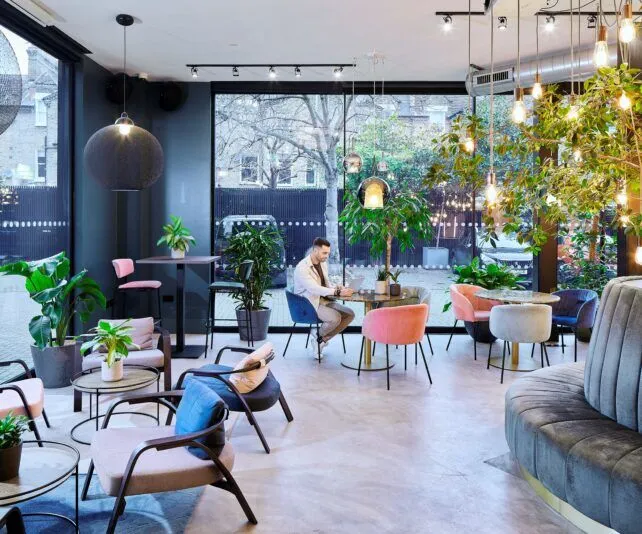
Coworking for Freelancers London: Best Spaces, Costs, and What to Look For in 2026
For many independent professionals, choosing the right workspace in London has become a business decision rather than a lifestyle extra. Working from home can be convenient, but it also brings distractions, isolation, and blurred boundaries. Cafés may work for an hour or two, yet they rarely offer the privacy, reliability, or professionalism needed for client calls, deep work, and consistent productivity. That is why coworking for freelancers London continues to gain momentum in 2026.
Whether you are a solo consultant, designer, developer, writer, coach, or remote contractor, the best workspace is the one that matches how you actually work. Some freelancers need a polished meeting room near major transport links. Others need an affordable hot desk, strong Wi-Fi, and a friendly creative community. London offers all of these options, but the differences in cost, contract terms, and environment can be significant.
This guide breaks down what to look for, how much coworking for freelancers London typically costs, which setup suits different professions, and how to choose the right neighborhood in 2026. If you want a workspace that supports focus, growth, and flexibility, this article will help you compare your options more confidently.
Why coworking for freelancers in London is growing in 2026
Flexible work is now a long-term part of London’s professional landscape. Data from the Office for National Statistics on labour market and homeworking trends continues to show how working patterns have shifted across the UK, with more self-employed workers, contractors, and hybrid professionals building careers outside traditional office models. For freelancers, that shift has created demand for spaces that combine freedom with structure.
Coworking for freelancers London appeals because it solves several common pain points at once. It provides a professional environment, dependable internet, work-ready furniture, and separation between personal and business life. Instead of feeling isolated at home or unsettled in public venues, freelancers can work in spaces designed for concentration and connection.
Coworking for remote workers London is also growing because independent professionals increasingly want choice. They may not need a traditional lease, but they do want consistency, community, and access to practical resources such as meeting rooms, phone booths, and flexible memberships. For many solo workers, coworking offers the middle ground between full office overheads and the limitations of working alone.
What freelancers should look for in a London coworking space
The right coworking space depends on your workflow, your clients, and your budget. For anyone considering coworking for freelancers London, the first filter should be location. A convenient commute matters if you use the space several times a week, while proximity to clients matters more if you regularly host meetings. London transport links can make one extra tube change feel minor on paper but costly in practice over months.
Price is the next major factor, but it should never be judged in isolation. A cheaper desk may look attractive until you discover limited access hours, noisy common areas, or expensive meeting room charges. Freelancers should compare what is included: Wi-Fi reliability, call booths, meeting room credits, kitchen access, guest policies, and whether the contract can be paused or cancelled easily.
Community quality is another important consideration. Some spaces are quiet and highly professional, which may suit coworking for consultants London or advisers meeting clients. Others are more social, creative, and collaborative, which can be ideal for project-based work. Access policies also matter. If you work early mornings, evenings, or weekends, 24/7 or extended access may be more valuable than premium branding.
Day passes vs hot desks vs dedicated desks
Most coworking for freelancers London options fall into three broad membership types. Day passes are best for occasional users who need a professional base once in a while. They are useful if you mostly work from home but want a reliable place for intensive workdays, client presentations, or a change of scene. The trade-off is cost per visit, which can add up quickly if usage becomes regular.
Hot desks are usually the best fit for freelancers who want regular access without committing to a fixed seat. You can choose any available desk in a shared area, which keeps costs lower and flexibility higher. For many coworking for remote workers London users, this is the best balance between affordability and routine. The downside is less certainty around where you sit, and sometimes less storage or privacy.
Dedicated desks suit full-time freelancers and professionals who need consistency. If you use multiple screens, keep materials on site, or want the same setup every day, a dedicated desk can improve efficiency. It costs more, but it offers greater stability, stronger identity within the workspace, and often access to lockable storage. For freelancers growing into micro-businesses, it can be a practical step before taking a private office.
Amenities that matter most for solo professionals
Not every amenity has equal value. For most people exploring coworking for freelancers London, reliable Wi-Fi, ergonomic chairs, and quiet areas matter far more than aesthetic extras. A stylish lounge can look impressive on a tour, but if the workspace lacks acoustic control or comfortable seating, your productivity will suffer quickly.
Phone booths and private call areas are essential for solo professionals who spend time on Zoom, client calls, or interviews. Natural light, decent desk spacing, and well-maintained kitchen facilities also make a real difference over a full working week. Printing may be less important for digital-first workers, but still valuable for contracts, presentations, and invoices.
Shower facilities can matter if you cycle, run before work, or commute across the city. Secure access, lockers, and after-hours entry become more important if you carry devices or work irregular schedules. The key is to distinguish between features that improve your daily workflow and those that simply make the brochure look more premium.
Best coworking setups by profession
Different kinds of freelance work require different environments. The best coworking for freelancers London is not one-size-fits-all. A consultant hosting senior clients, a designer working on visual projects, and a founder building a small team will each prioritise different layouts, amenities, and communities.
Coworking for consultants in London
Coworking for consultants London should feel polished, efficient, and easy to access. If your work involves client meetings, presentations, or strategy sessions, central locations near major stations can save time and reinforce professionalism. A smart reception area, bookable meeting rooms, and dependable hospitality standards matter because clients notice the environment as part of your service experience.
Quiet working zones are equally important. Consultants often need concentration for analysis, writing, or preparation between meetings. Look for spaces with strong sound control, easy room booking, and predictable access to private call areas. A cheaper membership in a louder, more social venue may not support the level of focus or client confidence your work demands.
Coworking for creatives, designers, and developers
Coworking for creatives London tends to work best in spaces with energy, flexibility, and visual character, but practical details still matter most. Designers often need generous desk space, strong screens, natural light, and layouts that support both solo focus and informal collaboration. For coworking for designers London, a visually inspiring environment can be useful, but only if it comes with enough comfort and function to handle production work.
Coworking for developers London usually places a premium on internet speed, ergonomic setup, long access hours, and quiet concentration. Developers may care less about event-heavy atmospheres and more about dependable infrastructure, monitor support, and minimal interruptions. For mixed creative-technical teams, the ideal workspace often combines collaborative common areas with separate quiet zones for deep work.
In both cases, community fit matters. A freelancer may benefit from being around other makers, product people, marketers, or creatives, especially when referrals and collaboration often emerge informally. The best spaces support work first, but they also create the right kind of professional chemistry.
Coworking for founders, startups, and small teams
Many freelancers eventually outgrow solo working. What starts as independent consulting or project work can become an agency, studio, or product business. That is why startup office space in London for founders often overlaps with freelancer needs, especially for people in early growth stages.
Coworking for startups London and coworking for small teams London should offer room to scale. That might mean team bundles, private office upgrades, or the ability to add extra memberships without moving locations. Flexible contract structures are especially valuable when headcount changes quickly.
For coworking for hybrid teams London, the best setup often blends shared desks with meeting space and occasional private rooms. Event programming, founder communities, and access to investor or operator networks can also add value beyond the desk itself. If your work is evolving from freelance to business-building, choose a space that can support the next stage rather than just the current one.
How much coworking for freelancers in London costs
Prices for coworking for freelancers London vary widely depending on location, brand, building quality, and what is included. Central premium districts generally command higher rates, while more residential or creative areas may offer better value. Economic conditions also influence pricing, with inflation and operating costs shaping what providers charge. For broader context, the Bank of England’s economic and inflation updates are useful for understanding the pressure on small business budgets and workspace costs.
Commercial property fundamentals also affect what operators can offer. Official reference points such as HM Land Registry property and location information and Valuation Office Agency business rates guidance help explain why some London buildings carry higher occupancy costs than others. In practice, freelancers are paying not just for a desk, but for access, fit-out quality, staffing, amenities, and location prestige.
Typical price ranges by membership type
As a practical guide, day passes in London often start around the lower end of the market for basic community access and rise significantly for premium central locations. Part-time access plans usually sit between casual day use and full monthly memberships, making them attractive for freelancers who need structure without a five-day routine.
Monthly hot desks typically fall into a mid-range band, while dedicated desks carry a clear premium because they provide consistency, storage, and a more stable setup. Coworking for freelancers London becomes more expensive in Zones 1 and 2, in newer buildings, and in brands with stronger hospitality positioning or larger amenity packages. Coworking for remote workers London can still be cost-effective if you compare total value rather than headline rent alone.
Before comparing offers, check whether VAT is included, whether meeting room credits are part of the package, and what guest access is allowed. Some memberships look competitively priced until extras are added back in.
Hidden costs and contract terms to check
Freelancers should read the fine print carefully. In coworking for consultants London and coworking for small teams London, hidden costs can materially change the value of a membership. Common add-ons include deposits, printing fees, locker charges, meeting room overages, mail handling costs, and access card fees.
Contract flexibility matters just as much as price. Check notice periods, auto-renewal clauses, pause options, and whether a lower-cost membership limits your access to the quieter or more professional parts of the building. If you need flexibility, avoid assuming all coworking contracts behave like month-to-month agreements. Some are simple, while others are far more restrictive than they first appear.
Best London neighborhoods for freelance coworking
Area choice has a major impact on both cost and day-to-day convenience. For anyone searching coworking for freelancers London, the best location depends on where your clients are, how you commute, and what kind of atmosphere helps you work best. If you want a broader starting point, explore best coworking spaces in London by neighborhood, day pass, and membership to compare the city more efficiently.
Market reports from firms such as CBRE UK’s London office and flexible workspace research, JLL UK occupier and coworking market intelligence, Savills London commercial property research, and Knight Frank workspace and London office insights regularly highlight how location, supply, and occupier demand shape pricing and availability across the city.
Central business districts for client-facing professionals
For coworking for consultants London, coworking for founders London, and coworking for remote workers London, central business districts such as the City, Holborn, and Westminster remain strong choices. These areas offer excellent transport links, formal business settings, and easy access to corporate clients, legal services, and major institutions.
The trade-off is cost. Prestigious addresses tend to attract premium membership pricing, and some spaces can feel more corporate than community-led. That said, if your work depends on trust, presentation, and convenience for meetings, these locations often justify the extra spend.
Creative and startup-friendly neighborhoods
Shoreditch, Clerkenwell, coworking in Soho London, London Fields, and South Bank are popular for coworking for creatives London, coworking for designers London, coworking for developers London, and coworking for startups London. These neighborhoods tend to offer stronger creative identity, more varied workspace styles, and communities built around design, media, tech, and independent business.
They can also be better value than the most formal central districts, although that varies by building and operator. The trade-off is that energy and atmosphere can come with more noise and less privacy. A vibrant creative hub may feel exciting on a tour, but freelancers who spend long hours on focused solo work should test whether the buzz supports or hinders their routine.
For industry context on the growth of flexible workspace across the UK, the British Property Federation’s real estate and flexible workspace insight and IWG plc flexible workspace trend reporting are also useful references.
How to choose the right coworking space as your work evolves
The best decision starts with honesty about how you work now. If you only need occasional structure, a day pass or part-time membership may be enough. If you host clients weekly, a more polished location with reliable meeting infrastructure could be worth the premium. If you are hiring or collaborating more often, choose a space that can support coworking for founders London or coworking for hybrid teams London as your needs change.
Budget tolerance is another important filter. Some freelancers benefit more from preserving flexibility than from locking into the perfect desk. Others save money in the long run by choosing a membership that reduces café spending, improves productivity, and shortens commute friction. The aim is not to chase the most impressive space, but to find the one that aligns with your real workflow and business stage.
Questions to ask before booking a tour or trial day
Before committing to coworking for freelancers London or coworking for small teams London, ask direct, practical questions. What is the real internet speed during peak hours? Are there enough quiet zones and phone booths? When is the space busiest, and how easy is it to find a desk at those times?
You should also ask how meeting room bookings work, whether community events are included, what security measures are in place, and whether access is available on evenings or weekends. If your work may grow, ask about upgrade paths to dedicated desks, extra memberships, or private rooms.
Most importantly, test the space during the hours you would actually use it. A Tuesday afternoon tour may not reveal the reality of a busy Monday morning or a late-day call-heavy environment. Trial days are often the best way to see whether a space genuinely supports your routine.
Final thoughts on finding the best coworking for freelancers in London
The best coworking for freelancers London comes down to fit. Location, membership type, contract flexibility, noise levels, meeting facilities, and community all matter, but the right balance depends on the way you work every day. A consultant may need central polish, a designer may value creative energy, and a growing founder may prioritise scalability.
If you are comparing coworking for remote workers London or looking for a more professional alternative to working from home, start with your non-negotiables, shortlist a few neighborhoods, and book trial visits before deciding. Spacebly can help you explore the best coworking spaces in London for freelancers, startups, and small teams that match your budget, profession, and growth plans so you can choose a London coworking setup with confidence.