Coworking for Freelancers London: Day Passes, Costs, Memberships and Best Areas
By Steve Dempsey, Head of Media | spacebly
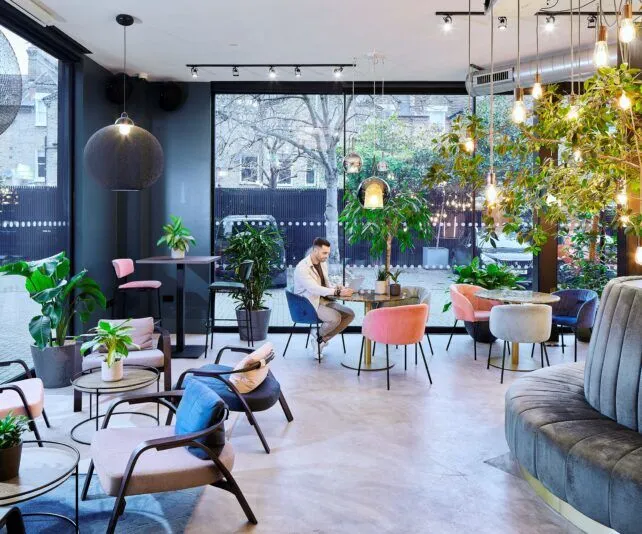
Coworking for Freelancers London: Best Spaces, Day Passes & Flexible Memberships in 2026
Finding the right coworking for freelancers London can feel harder than it should be. With hundreds of flexible workspaces across the city, the challenge is not whether London has options, but how to choose one that fits your budget, work style, client needs, and preferred neighbourhood without overcommitting to the wrong setup.
For freelancers, consultants, creatives, remote workers, founders, and small teams, a good workspace can make a real difference. The right environment can improve focus, create a more professional setting for client meetings, and reduce the isolation that often comes with working from home. At the same time, not every membership delivers value, especially if you only need occasional access or if your work demands quiet, privacy, or specialist amenities.
This guide breaks down how to compare day passes, hot desks, memberships, amenities, and London locations in 2026. Whether you need coworking for remote workers London, a polished base for client calls, or a flexible hub for a growing team, you will learn how to assess your options with confidence and choose a workspace that genuinely supports how you work.
Why coworking for freelancers in London is growing in 2026
Demand for coworking for freelancers London continues to rise in 2026 because more professionals now expect flexibility as standard. Independent consultants, designers, developers, and remote specialists want access to professional space without the long leases and fixed overheads of traditional offices. Broader shifts in employment, self-employment, and business formation across the capital also support this trend, with useful context available from the Office for National Statistics and official business activity data from Companies House.
For many people, working from home is no longer the perfect answer. Home can be distracting, isolating, or simply unsuitable for regular video calls and client work. Cafés may seem convenient, but they rarely provide the Wi-Fi stability, privacy, ergonomic comfort, or consistency needed for serious output. Coworking for remote workers London offers a middle ground: a reliable place to work, access to central areas, and the flexibility to scale usage up or down depending on projects.
Coworking also adds value beyond the desk itself. Freelancers often use these spaces to build professional networks, meet collaborators, attend events, and present a stronger image to clients. In a large, fast-moving city like London, location matters as much as layout. Central transport links, local business ecosystems, and commute efficiency all influence demand, with transport planning insights available through Transport for London and wider workforce data from the Greater London Authority.
How to choose the right coworking space as a freelancer
The best coworking space is the one that matches how often you work away from home, what kind of tasks you do, and how important client presentation is in your day-to-day work. For some, low-cost occasional access is enough. For others, especially those seeking coworking for consultants London or coworking for creatives London, the right environment can directly affect income, productivity, and brand perception.
Start with budget and commute. A cheaper desk that adds an hour of travel each way may be worse value than a more expensive option near a major station. Then think about access to meeting rooms, phone booths, and quiet zones. If your work includes calls, proposals, or private discussions, open-plan desks alone may not be enough. If you mostly do deep-focus work, noise levels and seating quality may matter more than social programming.
Opening hours and contract flexibility are equally important. Some freelancers only need one or two days a week, while others need near-daily access or occasional late nights. Check whether the space offers casual access, rolling monthly terms, or longer commitments. Finally, consider community and professionalism. A creative atmosphere can be energising, but if you regularly meet corporate clients, reception quality, cleanliness, and a polished setting may matter just as much as price.
Day passes vs hot desks vs memberships
For occasional users, day passes are often the smartest starting point. They let you test a workspace, avoid commitment, and only pay when needed. This works well for freelancers who usually work from home but want a professional base for client meetings, deadline days, or a change of environment. It is also a practical entry point for anyone comparing coworking for freelancers London options before committing.
Pay-as-you-go access is similar, though some operators package it with a bundle of visits each month. This can suit coworking for remote workers London where schedules vary week to week. Monthly hot desk memberships are better for freelancers who need regular access and are happy to sit wherever space is available. They usually balance cost and flexibility well, particularly for solo professionals who do not need to leave equipment onsite.
Dedicated desks and higher-tier memberships make more sense for regular users who want consistency, storage, and a more settled routine. They can be worthwhile if you use the space most weekdays, need a monitor setup, or want a stronger sense of permanence. The trade-off is price and reduced flexibility. In simple terms: occasional users should usually test day passes in London first, while regular freelancers may save money and gain convenience through a monthly plan.
What amenities matter most for solo professionals
Amenities should not be judged by quantity alone. For solo professionals, a few essentials matter more than a long list of extras. Reliable Wi-Fi is non-negotiable, especially for coworking for consultants London and coworking for developers London. Ask whether the internet is business grade, whether there is backup connectivity, and whether peak times affect performance.
Phone booths and meeting rooms are also high-value features. If you do sales calls, discovery sessions, interviews, or private client work, these spaces can justify a higher membership fee. For coworking for designers London, printing, large tables, natural light, and the ability to review work with others can be just as important. Lockers, secure access, kitchen facilities, guest access, and ergonomic chairs also have a direct impact on convenience and comfort.
Event programming and community may be useful, but their value depends on your goals. If you are looking for referrals, collaboration, or a sense of belonging, networking events can be a strong plus. If your main priority is deep work, focus instead on quiet zones, desk spacing, acoustics, and how easy it is to find a calm seat during busy hours. The best freelancer-friendly spaces understand that productivity and flexibility often matter more than flashy design.
Best types of coworking spaces by profession
Not all coworking for freelancers London should be judged by the same criteria. Different professions use workspace differently, and the best choice often depends less on brand and more on fit. A consultant may prioritise presentation and meeting rooms, while a creative may value atmosphere and community, and a developer may care most about internet reliability and quiet access.
Thinking in terms of professional needs helps narrow the field quickly. It also reduces the risk of paying for features you will not use. Below is a practical framework for matching workspace style to the way different freelancers and small teams operate.
Coworking for consultants and client-facing professionals
Coworking for consultants London should support both productive solo work and polished client interaction. That usually means a well-presented reception area, clean shared spaces, professional meeting rooms, and private booths for calls. Location matters too. Consultants often benefit from central business districts or areas with easy Tube access so clients can reach the space without friction.
Flexible membership is especially useful here because consultant schedules can vary. One month may involve heavy desk use, while another may be mostly offsite with clients. Before signing up, check how easy it is to book rooms, whether credits are included, and whether guests can be hosted smoothly. For many client-facing professionals, the best workspace is one that feels credible from the moment someone walks through the door.
Coworking for creatives, designers, and makers
Coworking for creatives London is often about energy as much as utility. Designers, writers, marketers, photographers, and other creative freelancers tend to value inspiring interiors, natural light, visual character, and a sense of community. Coworking for designers London may also benefit from larger communal tables, presentation-friendly spaces, and the freedom to collaborate informally.
Neighbourhood fit is important. Creative professionals are often drawn to areas with galleries, studios, agencies, and independent hospitality nearby. Event spaces and networking programming can be particularly valuable, especially if the workspace hosts talks, showcases, or portfolio-friendly gatherings. The right space can function as both a productive base and a source of creative momentum.
Coworking for developers and technical freelancers
Coworking for developers London tends to be more about function than flair. Technical freelancers usually need stable, high-speed internet, quiet zones, dependable power access, and seating that supports long focus sessions. If you work across time zones or deploy outside standard hours, 24/7 or extended access may also be a major factor.
Before committing, ask practical questions. Are monitors available or permitted? How private are screens in open-plan areas? Are calls and collaboration spaces separated from focus zones? Is there enough desk space for a laptop plus peripherals? The best technical environments reduce friction, support concentration, and avoid the constant background disruption that can make coding or technical problem-solving more difficult.
Coworking for founders, startups, and small teams
Coworking for founders London often starts with flexibility. Solo founders may begin on a hot desk or part-time plan to keep costs low while validating a product or building a client base. As momentum grows, coworking for startups London may shift towards team memberships, dedicated desks, or a small private office within the same building.
For coworking for small teams London and coworking for hybrid teams London, scalability is key. Check whether the operator can accommodate growth, whether meeting rooms can handle team sessions, and whether the mix of collaboration space and quiet work areas suits your workflow. Early-stage businesses should also assess contract terms, internet resilience, guest policies, and whether the community includes potential hires, partners, or investors. A flexible space can be an effective bridge between solo freelancing and a more established company setup.
Best London neighborhoods for freelance coworking
Location can shape your coworking experience as much as the desk itself. The right area depends on who you work with, how often you commute, and whether you prioritise prestige, value, or industry fit. If you are still comparing options, it helps to browse the best coworking spaces in London alongside a neighbourhood-based shortlist.
Use transport connectivity, local business activity, and client convenience as your main filters. Official economic and district-level context from the City of London Corporation, commuting data from Transport for London, and land and location context from HM Land Registry can all help explain why some areas command higher prices than others.
Central London: Soho, Holborn, Fitzrovia, and Covent Garden
These neighbourhoods are strong choices for freelancers who need accessibility, visibility, and a professional address. Coworking for consultants London often works especially well here because clients can reach central locations easily, and the surrounding environment supports meetings, hospitality, and last-minute scheduling changes.
The trade-off is cost. Central London tends to come with higher day rates and membership fees, but for many professionals, the convenience justifies the premium. If your work depends on being close to media agencies, legal services, corporate clients, or major transport nodes, these areas can offer real operational value rather than just prestige.
East London: Shoreditch, Old Street, and Hackney
East London is a natural fit for coworking for startups London, coworking for founders London, coworking for developers London, and coworking for creatives London. The area blends tech activity, startup culture, and creative energy, with a wide range of workspace styles from polished hubs to more informal, design-led environments.
This part of London often appeals to people who want a stronger community feel or who work in digital, product, design, and innovation-focused sectors. Prices vary widely, so it is possible to find both premium and relatively accessible options. The best choice depends on whether you want proximity to a tech ecosystem, a creative crowd, or simply a more flexible atmosphere than some traditional central districts provide.
South and West London: London Bridge, Waterloo, Hammersmith, and beyond
South and West London can be excellent for freelancers seeking better value or easier commutes without losing access to strong transport links. Areas such as London Bridge and Waterloo remain highly connected and client-friendly, while Hammersmith and similar districts may offer practical advantages for those serving specific business corridors or commuting from outer zones.
For coworking for small teams London, coworking for hybrid teams London, and coworking for remote workers London, these neighbourhoods often strike a useful balance between cost and quality. You may find more generous layouts, slightly lower headline pricing, or easier access for team members travelling from different parts of the city. For many users, these areas represent the sweet spot between prestige and affordability.
What coworking in London costs for freelancers
Pricing for coworking for freelancers London varies significantly by location, brand, amenities, and access level. As a broad guide in 2026, day passes may range from budget-friendly suburban options to premium central spaces with higher daily rates. Part-time memberships usually sit in the middle, offering a fixed number of visits each month. Monthly hot desks typically cost more but can work well for regular users, while dedicated desks and private options rise further depending on storage, privacy, and access hours.
Small team pricing depends on whether you are buying multiple coworking memberships or moving into a compact private office within a flexible workspace. This is where coworking for small teams London can become especially attractive compared with conventional leased space, since services, furniture, and utilities are commonly bundled. For wider context on flexible office and occupier trends, see research from Savills UK office and flexible workspace market research, JLL UK commercial real estate research, CBRE UK market outlook, and broader industry statistics from Statista on UK coworking trends.
Amenities can materially change the equation. A cheaper membership may appear attractive until you realise meeting rooms are charged separately, calls are difficult in open areas, or lockers and printing cost extra. Always compare the total cost of access, not just the advertised desk price.
How to budget for flexible workspace without overspending
A smart budget starts with usage frequency. If you only need space four or five times a month, day passes may be better value than a recurring membership. If you are using coworking for freelancers London three or more days a week, a monthly hot desk plan may be cheaper over time. The goal is to match spend to actual behaviour rather than buying flexibility you do not use.
Also compare workspace cost against what it replaces. Add up home office costs, café spending, ad hoc meeting room hire, and the value of reduced travel time if the space is near key clients or transport. For coworking for remote workers London, this broader calculation often reveals that a slightly higher membership can still be good value if it improves output and cuts hidden friction.
Use a simple checklist: monthly desk cost, expected number of visits, meeting room fees, commute cost, time saved, included amenities, and whether the space supports client work effectively. Once you look beyond headline price, the best-value option is often the one that helps you work better with fewer interruptions and fewer extra charges.
Questions to ask before booking a London coworking space
Before choosing coworking for freelancers London, treat the process like any other business decision. Ask about contract length, notice periods, deposit requirements, and cancellation terms. A flexible workspace should be genuinely flexible, not just marketed that way. If possible, request a trial day so you can experience the space during normal operating hours rather than on a curated tour.
Check for hidden costs. Are meeting rooms included or charged separately? Are there guest fees? Is printing extra? Are lockers, mail handling, or after-hours access limited to higher tiers? For coworking for consultants London and coworking for hybrid teams London, these details can materially change the real monthly cost.
You should also ask about practical fit: how busy the hot desk area gets at peak times, whether there are enough phone booths, how noisy the space becomes during events, what security measures are in place, and whether the internet has backup support. The best way to avoid a poor-fit membership is to test the space as you would actually use it, including calls, focused work, meetings, and arrival during busy periods.
How to find the best coworking fit for your work style
The right coworking for freelancers London depends on four main variables: how often you need a workspace, what kind of work you do, what you can spend, and where in London you need to be. If you only need occasional access, start with day passes. If you need consistent routine, a hot desk or monthly membership is likely the better fit. If your work is client-facing, prioritise presentation and meeting spaces. If you need deep focus, prioritise quiet, comfort, and reliable infrastructure.
Freelancers in creative, consulting, technical, and founder roles all use workspace differently, so compare options through that lens rather than chasing the biggest brand or the cheapest headline price. Shortlist a few spaces in the neighbourhoods that suit your clients and commute, test them with trial days, and measure how they perform against your actual workflow.
In 2026, choosing coworking for freelancers London is less about finding any desk and more about finding the right environment for your business to do its best work. Focus on flexibility, total value, amenities that support your workflow, and a location that makes sense for your routine and clients. If you are ready to compare options, explore Spacebly listings, shortlist a few standout spaces, and test them before committing so you can choose with confidence.