Coworking for Freelancers London Guide to Areas, Prices, Day Passes and Memberships 2026
By Peter Dudley, Co-Founder | spacebly
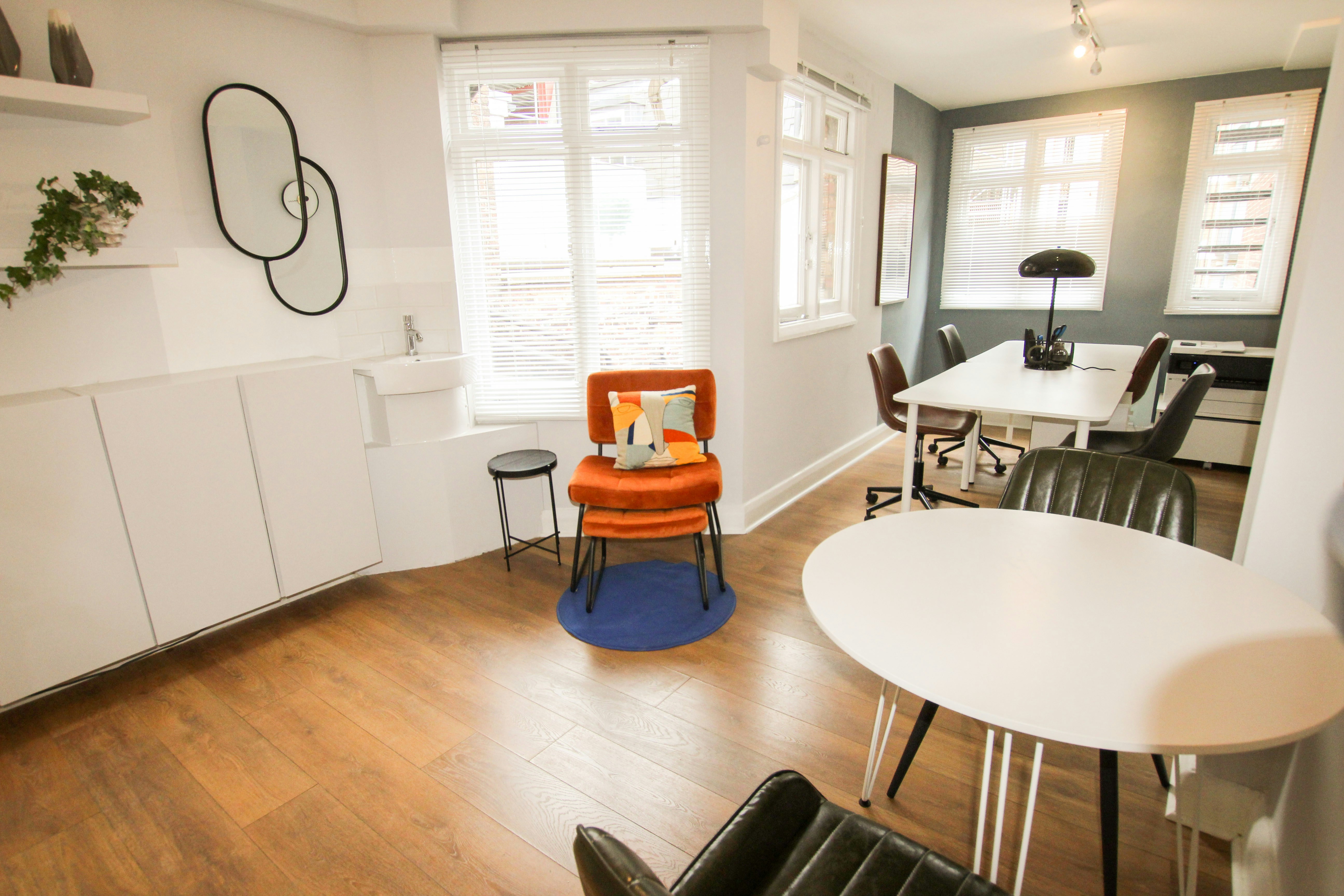
Coworking for Freelancers London: Best Spaces, Costs, and How to Choose in 2026
Finding the right coworking for freelancers London option is no longer just about grabbing the nearest hot desk. In 2026, London offers a far broader mix of day-pass lounges, boutique studios, startup hubs, premium business clubs, and neighbourhood coworking spaces than many solo professionals can easily compare. For freelancers, independent consultants, creatives, and remote workers, that is good news—but it also makes the decision more complex.
The best workspace for your business depends on more than price alone. You need to think about commute time, client-facing image, community quality, meeting room access, noise levels, and whether you actually need full-time membership or only occasional use. For some people, a polished Zone 1 address helps win clients. For others, a calmer local setup supports deep focus and better margins.
This guide breaks down how to choose freelancer-friendly coworking in London based on budget, work style, location, and growth goals. You will learn how to compare day passes, hot desks, and memberships, which areas suit different professions, what costs to expect, and how to test a space before committing.
Why coworking for freelancers in London is growing in 2026
Demand for coworking for freelancers London continues to rise as flexible work becomes a long-term part of how people build careers and businesses. Official labour market and work-pattern reporting from the Office for National Statistics helps show the wider context: self-employment, hybrid work, and non-traditional office use remain important parts of the UK economy. That shift is especially visible in London, where many independent professionals want flexibility without the isolation of home working.
Working from home can reduce costs, but it does not suit everyone. Freelancers often struggle with blurred boundaries, inconsistent routine, limited room for video calls, and fewer chances to meet collaborators or clients. Cafés can work for short sessions, but they rarely offer the privacy, stability, or business credibility needed for serious client work. That is why coworking for remote workers London has become more appealing across many industries.
Coworking gives freelancers a professional setting without the cost and commitment of a private office. It can provide strong Wi-Fi, meeting rooms, reception services, central London access, and a ready-made workday structure. For solo operators trying to grow, it also creates soft networking opportunities that can lead to referrals, partnerships, and new projects.
Who this guide is for: from solo freelancers to small collaborative teams
This guide is designed for a broad group of professionals who need flexibility but still want a workspace that supports output and business growth. If you are researching coworking for consultants London, coworking for founders London, or coworking for startups London, the right fit will depend heavily on how often you meet clients, whether you need privacy, and how much value you place on networking.
Solo consultants and client-facing freelancers often need polished meeting rooms, reliable booking systems, and a location that is easy for clients to reach. Founders and early-stage operators tend to care more about energy, community, investor proximity, and flexible terms while they test and grow. Those comparing coworking for small teams London usually need a balance between affordability and the ability to collaborate in person a few days each week.
Creative professionals have slightly different priorities. People looking for coworking for creatives London, coworking for developers London, or coworking for designers London may care more about lighting, desk comfort, quiet zones, screen setup, and a community of people doing similar work. Hybrid professionals using coworking part-time also have their own needs, so coworking for hybrid teams London often means convenience, easy booking, and paying only for the access you genuinely use.
What freelancers should look for in a London coworking space
When comparing coworking for freelancers London, start with practical fit before brand appeal. A beautiful workspace means little if the internet drops during calls, the commute drains your day, or the meeting rooms are always booked out. The best decision framework is to rate each space against the way you actually work, not the way the brochure suggests you should work.
Key criteria include total monthly cost, contract flexibility, internet speed, noise management, phone booth availability, opening hours, transport links, and the quality of the member community. If your freelance work depends on regular calls, client presentations, or long periods of concentration, these factors matter far more than trendy interiors alone. You should also check whether VAT is included in advertised prices and whether extras like meeting room use, printing, or lockers are charged separately.
Day passes, part-time access, or full membership?
The best access model depends on how often you need a desk and what kind of structure helps you perform. For many people researching coworking for freelancers London, a day pass is the easiest starting point. It lets you test a space without a contract and works well if you only need occasional escape from home or a professional base for a specific meeting day.
Part-time access plans suit freelancers with predictable but non-daily routines—perhaps two or three days a week of focused work away from home. These memberships can be cost-effective for people who want consistency without paying for full-time use. They are also a strong option for coworking for remote workers London when the goal is to separate deep work from home life while keeping costs controlled.
Full memberships and dedicated desks make more sense when your workload is steady, you take frequent client calls, or you need routine to stay productive. A dedicated desk can be especially useful if you use extra screens, keep materials onsite, or collaborate with the same people regularly. In short: use best hot desking London options for flexibility, part-time plans for rhythm, and full membership when consistency and convenience outweigh the higher monthly spend.
Amenities that matter most for client work and deep focus
The right amenities can directly improve the quality of your workday. At minimum, freelancers should expect reliable high-speed Wi-Fi, ergonomic seating, decent desk spacing, power access, and lighting that does not cause fatigue. Quiet zones and private booths are critical if your day involves writing, coding, strategy work, or back-to-back calls.
For those seeking coworking for consultants London, the priorities usually include polished meeting rooms, professional reception, guest access, and spaces where confidential calls can happen without disruption. For coworking for designers London, visual environment, natural light, breakout areas, and flexible collaboration space tend to matter more. For coworking for developers London, consistent internet, desk comfort, air quality, monitor-friendly setups, and quieter work zones often rank highest.
Other useful features include lockers, printing, kitchen facilities, showers, bike storage, and refreshments. None of these should outweigh the basics, but they can make a meaningful difference if you are using the space regularly. The key is to identify which amenities affect revenue, output, or client experience—not just which ones look good on a tour.
Community and networking value for independent professionals
For many independents, community is one of the biggest reasons to choose coworking. The best spaces do more than rent desks—they create environments where members meet useful contacts, swap expertise, and share opportunities. If you are exploring coworking for founders London or coworking for startups London, this community layer can be particularly valuable because early relationships often shape hiring, product feedback, and introductions.
Freelancers should look closely at the member mix. A consultant may benefit from a space filled with agencies, finance professionals, and startup operators who could become clients or referrers. Someone searching for coworking for creatives London may gain more from workshops, portfolio nights, brand events, and a community of writers, designers, producers, and marketers. The best networking is usually not forced; it comes from a natural overlap in industries and work patterns.
Ask whether the operator runs events that are genuinely useful, not just social. Accountability breakfasts, founder meetups, skills sessions, and curated introductions often add more value than generic drinks evenings. A strong community can make coworking feel less transactional and more like an extension of your professional ecosystem.
Best London areas for freelancers to consider
Location strongly shapes both cost and day-to-day experience. Commute times, nearby clients, neighbourhood culture, and local business ecosystems all affect whether a space will actually work for you long term. If you are still comparing options, it helps to browse best coworking spaces in London by neighborhood, day pass, and membership alongside your own shortlist.
Transport should be part of the evaluation too. Official journey planning and accessibility information from Transport for London can help you compare practical commute times between different coworking clusters. A slightly cheaper space is not always better value if it adds an hour of travel or makes client meetings harder to schedule.
Area-by-area pricing and affordability can also vary widely. Broader cost-of-living context from Trust for London can be useful when thinking about borough-level affordability and the wider local environment around your workspace choice.
Central London: ideal for consultants, client meetings, and premium access
Central areas such as Soho, Covent Garden, Holborn, the City, and Fitzrovia remain top choices for professionals who need convenience, prestige, and strong transport links. This is often the natural home of coworking for consultants London because clients can reach these areas easily, and the surrounding business environment supports a polished professional image.
For founders too, central London can be strategic. People exploring coworking for founders London may value proximity to law firms, investors, enterprise clients, and networking events. The trade-off is cost: Zone 1 spaces generally charge more for day passes, hot desks, and meeting room use, particularly in premium branded locations.
Choose central London if impression, accessibility, and frequent meetings matter more than minimising rent. If most of your work is independent and screen-based, however, the premium may not deliver enough value to justify the spend. If Soho is high on your shortlist, compare local options with this coworking Soho London guide.
East London: strong fit for creatives, startups, and founders
Shoreditch, Old Street, Hackney, and nearby districts remain some of the strongest areas for coworking for startups London and coworking for founders London. These neighbourhoods are known for startup energy, digital businesses, agencies, and a more casual but collaborative atmosphere. If your work benefits from being around builders, marketers, and product teams, East London often provides that density.
They are also popular with people looking for coworking for creatives London and coworking for designers London. You are more likely to find visually distinctive spaces, event-led communities, and members working across design, content, fashion, media, and technology. That mix can be useful if your freelance pipeline depends on collaboration and referrals.
Pricing varies, but East London often offers a better balance between energy and cost than prime central districts. It is still not cheap, especially in high-demand startup corridors, but it can deliver stronger community value for creative and early-stage businesses.
South and West London: practical options for remote workers and hybrid teams
For many professionals, South and West London can offer a more practical route into coworking. These areas may provide better value, less intense commuting, and a calmer atmosphere than high-density central hubs. That is particularly relevant for coworking for remote workers London who do not need a prestige address every day.
They can also suit coworking for small teams London and coworking for hybrid teams London that only meet in person part-time. If your team members live across residential catchments, choosing a well-connected outer location can reduce friction and improve attendance. In many cases, these neighbourhood spaces focus more on consistency, community, and practical usability than on premium branding.
This approach works especially well if your priorities are deep focus, value pricing, and convenience. You may sacrifice some centrality, but you gain a space that is easier to sustain financially over time. Readers comparing these districts may also find this Coworking West London 2026 guide useful.
How much coworking costs in London for freelancers
Cost is usually the deciding factor once you have narrowed down fit. In London, pricing depends on location, access model, building quality, operator brand, included credits, and how much flexibility you want. Market-wide workplace and flex-space commentary from sources such as Statista coworking and remote work market data, JLL UK flex space research, CBRE UK office market insights, and Savills London workspace research can help frame the broader commercial context, though actual prices still vary by operator and building.
As a general rule, freelancers should expect to pay the highest rates in central London and lower rates in outer or neighbourhood locations. Premium hospitality-led brands also tend to charge more, while local independent operators may offer better value if you do not need extensive extras. The real question is not just what you pay, but whether the space saves enough time, improves enough output, or supports enough client work to justify the spend.
Typical day pass and hot desk price ranges
For coworking for freelancers London, day passes commonly sit anywhere from around £20 to £45+, depending on area and level of service. Budget-friendly neighbourhood spaces may sit at the lower end, while premium central sites with high-end amenities can push higher. Most day passes include Wi-Fi, shared desk access, communal areas, and basic refreshments, but not always meeting room credits or phone booth guarantees.
Monthly hot desk memberships often begin around £150 to £250 in more affordable areas and can reach £300 to £500+ in premium central districts. The lower-cost end usually buys you flexibility and a desk somewhere in the building, but less certainty around seat choice, quieter zones, and room booking inclusions. That is why coworking for remote workers London can be excellent value in local or outer hubs where commute savings add to the financial benefit.
Always check what is included. A cheaper advertised rate may exclude VAT, meeting room hours, printing, storage, or guest access, making the true monthly cost higher than expected. For a broader benchmark, review this Hot Desk London price guide.
When a dedicated desk or team plan makes financial sense
A dedicated desk starts to make sense when you are using coworking most weekdays and need stability. Consultants with regular calls, operators managing ongoing client accounts, and professionals with dual-screen setups often gain enough productivity from a permanent workstation to justify the extra spend. This is especially true for coworking for consultants London, where reliable privacy and consistency can directly support billable work.
For coworking for small teams London and coworking for startups London, team plans become attractive when two to five people are meeting often enough that ad hoc day passes become inefficient. A small product team or early-stage founder group may benefit from a shared base for planning, calls, and collaboration, even if not everyone attends daily. Flexible suites or grouped desks can often deliver a stronger working rhythm than occasional hot-desk use.
The same logic applies to coworking for hybrid teams London. If your team consistently gathers two or three days a week, a modest recurring plan may offer better value and far less coordination hassle than booking one-off access every time.
Best coworking setups by profession and work style
The best coworking for freelancers London setup depends on what your workday actually looks like. A consultant, designer, developer, and hybrid remote worker can all succeed in coworking, but not usually in the same kind of space. Matching features to workflow is the fastest way to avoid overpaying for the wrong environment.
For consultants and client-facing freelancers
If you are prioritising coworking for consultants London, look first at centrality, meeting room quality, phone privacy, and reception experience. Your workspace becomes part of your client journey. If the building is hard to reach, noisy, or lacks professional presentation space, it can undermine trust before the meeting even begins.
Flexible room booking is also important. Many client-facing freelancers do not need a boardroom every day, but they do need to know one is available when required. Spaces with polished interiors, private call booths, and simple guest management can be worth the premium if client confidence is central to your business model. If private rooms matter, compare options with this serviced office with meeting rooms London guide.
For creatives, designers, and brand freelancers
People seeking coworking for creatives London or coworking for designers London often benefit from spaces that feel visually energising without becoming distracting. Natural light, strong aesthetic design, and a good balance between collaboration and quiet can make a real difference to creative output.
It is also worth looking at the surrounding community. Brand strategists, designers, photographers, content creators, and marketers often gain value from spontaneous idea exchange, portfolio conversations, and workshop-style events. In these cases, the community and culture can be just as important as the desk itself. For a wider view of suitable environments, see this creative office space London guide.
For developers, tech freelancers, and startup founders
The core needs for coworking for developers London are usually simple but non-negotiable: fast internet, reliable power, ergonomic desks, and quiet zones for deep work. Long coding sessions demand comfort and low interruption. If the environment is too social or too cramped, productivity drops quickly.
For coworking for founders London and coworking for startups London, ecosystem also matters. Spaces near startup clusters can improve access to talent, events, advisors, and potential partners. Some founder-friendly operators combine that network value with practical benefits such as 24/7 access, investor events, and team growth options, making them suitable for both solo builders and small product teams. Teams considering a move beyond coworking can compare options in this startup office space London guide.
For remote workers and hybrid professionals using coworking part-time
For occasional users, the best coworking for remote workers London setup is often not the flashiest one. Convenience matters most. A well-located neighbourhood space with easy booking and sensible pricing can be far more useful than a premium city location you rarely bother to use.
The same goes for coworking for hybrid teams London. If coworking is only there to create separation from home, support occasional collaboration, or provide a professional backdrop for calls, then flexible access and commute ease should lead the decision. Paying only for the days you need can protect margins while still improving routine and focus.
How to shortlist and test a coworking space before committing
Shortlisting should be practical, not aspirational. Start by listing your non-negotiables: budget ceiling, maximum commute, minimum access hours, noise tolerance, and how often you need meeting rooms or booths. Then compare three to five spaces that genuinely match those criteria. This is the most efficient way to evaluate coworking for freelancers London and avoid getting distracted by branding alone.
Visit at the time you would normally work, not just during a quiet mid-morning tour. Test the internet, listen for background noise, inspect desk spacing, and ask how room bookings work during peak periods. If you are assessing coworking for small teams London, check whether the layout would still work when everyone attends on the same day. Also review cancellation terms, hidden fees, and whether the operator can scale with your needs.
If you want broader context on local business formation and founder activity, official records from Companies House can help frame startup and small business trends. For freelancers thinking about business setup obligations and self-employment administration, guidance from HMRC is also worth reviewing. If you are considering how area dynamics relate to commercial property context, official datasets from HM Land Registry can provide useful background.
Questions freelancers should ask on a tour
Ask clear questions before signing anything. For coworking for freelancers London, useful questions include: Is VAT included in the quoted price? What are the notice and cancellation terms? Are phone booths first come, first served or bookable? How many meeting room credits are included each month? Are there extra charges for printing, storage, or guests?
If you are researching coworking for consultants London, also ask whether you can use the address for business correspondence, whether reception can greet clients, and how guest access works. Ask about peak-hour noise, internet backup, community events, and whether members actually use the space in the way it is marketed. A few direct questions can save you from committing to a setup that looks good online but does not support your actual workflow.
Final thoughts: choosing the right freelancer-friendly coworking space in London
The best coworking for freelancers London choice is the one that balances cost, location, amenities, and community around the way you really work. Consultants may need central polish and meeting rooms. Creatives may thrive in community-led East London spaces. Remote workers and hybrid professionals may get better value from neighbourhood coworking with flexible access. Rather than choosing by brand alone, decide based on your meeting frequency, ideal commute, need for focus, and monthly budget.
If you are ready to compare spaces, explore freelancer-friendly listings on Spacebly and shortlist the options that match your work style. A well-chosen coworking space can do more than give you a desk—it can improve productivity, strengthen your professional image, and help your business grow in London. For a wider market overview, also review our best coworking London guide.