Coworking for Freelancers London: Costs, Day Passes, Best Areas and Space Types
By Lizzy, Founder | spacebly
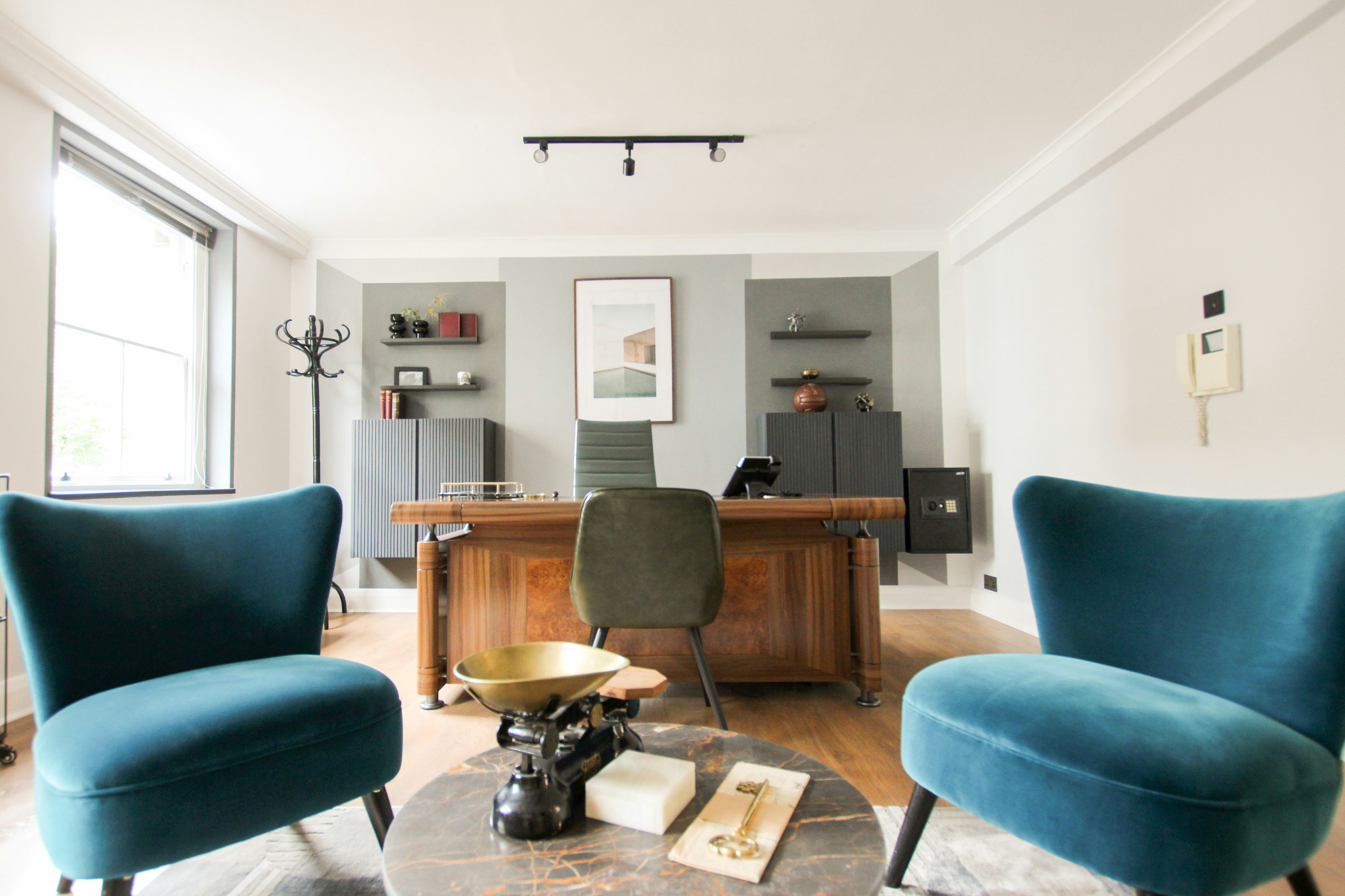
Coworking for Freelancers London: Best Spaces, Day Passes, and Neighborhoods for 2026
For independent professionals, choosing the right workspace in London is no longer just about finding a desk. In 2026, coworking for freelancers London has become a practical middle ground between working from home, rotating through noisy cafes, and taking on the cost and commitment of a traditional office lease. Whether you are a consultant meeting clients, a designer needing creative energy, or a remote contractor looking for reliable focus, the right space can improve productivity, credibility, and day-to-day routine.
London offers an enormous range of flexible workspace options, from single-day access in central business districts to community-led studios in creative neighbourhoods. That variety is useful, but it can also make the search feel overwhelming. Rates differ widely by postcode, amenity levels vary, and the best fit depends heavily on how often you need a desk, how client-facing your work is, and what kind of environment helps you do your best work.
This guide breaks down the best ways to approach coworking for freelancers London in 2026. You will learn what to compare, how day passes stack up against memberships, which neighbourhoods suit different professions, and what costs to expect before committing to a space through Spacebly or directly with an operator.
Why coworking for freelancers in London is growing in 2026
Demand for coworking for freelancers London continues to grow because work patterns have changed faster than traditional office models. Hybrid schedules are now normal across consulting, tech, design, media, and professional services. Many freelancers split time between home, client sites, and flexible workspace, using coworking as a dependable base without taking on a long lease.
Another major driver is simple practicality. Home working can be cost-effective, but it is not always productive. Limited space, household distractions, poor separation between work and personal life, and patchy video call setups all reduce output over time. Coffee shop working has also lost appeal for many solo professionals because of unreliable Wi-Fi, limited seating, and a lack of privacy for calls or meetings. As a result, coworking for remote workers London has become more appealing as a professional alternative that still keeps overheads flexible.
Freelancers are also using coworking spaces to rebuild the social and commercial benefits that can disappear in solo work. Good operators create opportunities to meet collaborators, win referrals, and stay visible in local professional communities. That matters for consultants, founders, and creatives alike. Broader labour market and self-employment trends from the UK Office for National Statistics help explain why flexible work models remain relevant, while business registration activity tracked by Companies House supports the view that London continues to attract independent operators and newly formed ventures.
For small collaborative groups, the trend extends beyond solo use. Coworking for hybrid teams London is increasingly attractive for micro-agencies and project teams that need occasional in-person time without paying for a dedicated office five days a week. In a city where pricing pressure remains real, economic context from the Bank of England and occupier research from Cushman & Wakefield show why businesses and independents continue to favour agility over long-term fixed commitments.
What freelancers should look for in a London coworking space
The best coworking for freelancers London is not always the most stylish or the most central. It is the one that supports your actual workflow at a price you can justify. Start with a simple shortlist based on budget, location, and how often you need access. Then compare each space on operational details that affect daily use, not just brochure images.
Price is usually the first filter, but contract flexibility matters just as much. Some freelancers only need one or two days per week, while others require daily access and occasional meeting rooms. Opening hours are also critical. If you work around overseas clients, deadlines, or school schedules, limited access can quickly become frustrating. Strong Wi-Fi is non-negotiable, and if your work depends on calls, look for proper phone booths rather than informal lounge areas.
Meeting room access can make a major difference for consultants and client-facing professionals. Community programming matters more than many first-time users expect too. Workshops, social events, and curated introductions can turn a workspace into a lead-generation channel. Commute convenience should also be weighed carefully. Official station and connectivity information from Transport for London is useful when comparing travel time across neighbourhoods, especially if you expect regular client visits or cross-city meetings.
Finally, think about how the space presents you. If clients will meet you there, reception quality, cleanliness, acoustics, and overall design matter. If you mainly need focused solo work, a quieter and less brand-heavy setup may offer better value.
Day passes vs hot desks vs memberships
For many users exploring coworking for freelancers London, the first decision is not where to work but how to access the space. Day passes are best for occasional use, trial visits, or weeks when you need a productivity reset. They offer maximum flexibility and no commitment, but they can become expensive if you use them regularly.
Hot desk plans usually suit freelancers who want flexibility without paying for a fixed desk. You can book or use any available workstation, often with shared lounge access and optional meeting room credits. Part-time memberships are ideal if you know you need a space several times per month but not every day. Unlimited access plans work best for people using coworking as their primary base.
As a rough guide, if you are using day passes more than six to eight times a month, a part-time membership often becomes better value. If you are a consultant hosting clients, the upgrade point may come earlier because meeting room inclusion and a more stable professional setup justify the extra spend. That is especially true for coworking for consultants London, where presentation and predictable access matter as much as desk cost.
Amenities that matter for solo professionals
Amenities should match the kind of work you actually do. Ergonomic chairs, proper desks, strong air conditioning, and reliable internet matter to almost everyone. Secure storage is useful if you do not want to carry equipment daily. Printers, kitchens, showers, and bike storage can be significant quality-of-life upgrades, particularly for commuters.
For coworking for developers London, monitor availability, dependable high-speed internet, quiet zones, and longer opening hours usually rank above social programming. For coworking for designers London and coworking for creatives London, natural light, visual character, collaborative atmosphere, and flexible breakout areas can be just as important as technical setup. Content creators may also prioritise podcast booths, editing-friendly quiet rooms, or spaces with adaptable layouts for shoots and brainstorming sessions.
Meanwhile, coworking for consultants London often depends on privacy features: sound-treated phone booths, polished meeting rooms, and a calmer environment for confidential conversations. The main point is simple: do not pay for extras you will not use, but do not underestimate the productivity value of the essentials you rely on every day.
Best London neighborhoods for freelance coworking
Choosing the right area is one of the biggest decisions in coworking for freelancers London. Neighbourhood affects cost, commute quality, available building stock, and the type of professional community you are likely to meet. If you are still comparing options, start by exploring the best coworking spaces in London and then narrow your shortlist by location and work style.
Commercial research from JLL UK and Savills UK regularly highlights how different London submarkets vary in rent levels, occupier demand, and flexible office supply. Those differences are important because they shape what freelancers can expect at each price point.
Central London: Soho, Covent Garden, Holborn, and Fitzrovia
Central neighbourhoods remain strong choices for freelancers who need convenience, client access, and a polished working backdrop. Soho and Covent Garden are especially attractive for coworking for creatives London, media professionals, and branding specialists who benefit from the area’s energy, hospitality options, and cultural proximity. Fitzrovia blends central convenience with a slightly calmer feel, while Holborn offers excellent connectivity and a more professional services-oriented atmosphere.
These areas are rarely the cheapest, but the premium can be worthwhile for coworking for consultants London and coworking for designers London when client meetings, cross-city travel, and prestige matter. If you bill high-value work and only need access a few days each week, paying more for a better location can be commercially rational.
For broader district context, business and economic information from the City of London Corporation can help explain why central demand remains strong, even as work becomes more flexible.
East London: Shoreditch, Old Street, and Hackney
East London is often the natural home of coworking for startups London, coworking for developers London, and coworking for founders London. Shoreditch and Old Street remain closely associated with startup culture, digital businesses, and a steady flow of networking events. Hackney broadens the appeal with a more local, creative, and often slightly less corporate atmosphere.
These neighbourhoods typically appeal to people who value community, collaboration, and founder density. If your work grows through referrals, peer introductions, or access to startup ecosystems, East London can offer more than just desk space. It can also be a sensible base for freelancers transitioning into agencies or product businesses that need room to scale from solo work into small team operations.
Location and commercial context can be supported by official land and area information from HM Land Registry, which is useful when assessing where active commercial clusters are concentrated.
South and West London options for flexibility and commute balance
South and West London offer compelling alternatives for freelancers who want strong transport links without always paying top-tier central rates. London Bridge and Southwark can work well for coworking for remote workers London who need fast access to multiple rail and Underground lines while keeping close to central clients. These areas also suit professional services freelancers who want a polished environment but slightly broader pricing choice than Soho or Covent Garden.
Hammersmith and Paddington are practical for consultants, project-based specialists, and coworking for small teams London that need easier cross-city or airport access. They often provide a more balanced mix of cost, convenience, and business-ready atmosphere. For freelancers based outside the city core, these neighbourhoods can reduce commute friction significantly while still offering the structure and credibility of a formal workspace.
Best coworking setups by profession and work style
There is no single best answer to coworking for freelancers London because the right setup depends on how you create value. The ideal environment for a deep-focus developer may feel too quiet for a creative strategist, while a highly social startup hub may distract someone doing confidential consulting work. Matching the workspace to your output style is far more useful than choosing based on brand recognition alone.
For consultants and client-facing professionals
Coworking for consultants London should prioritise professionalism first. Look for central or well-connected locations, polished reception areas, bookable meeting rooms, strong Wi-Fi, and plenty of privacy for calls. If you host clients only occasionally, a part-time membership or premium day-pass strategy may be more efficient than full-time access. Paying slightly more for better meeting facilities can be worthwhile if it improves conversion, client trust, or the quality of in-person sessions.
If costs or membership structures are being promoted by operators, it is sensible to compare terms carefully and rely on transparent business information. Guidance from the Financial Conduct Authority can be useful as a general trust signal when reviewing financial promotions and commercial claims.
For creatives, designers, and content professionals
Coworking for creatives London and coworking for designers London often works best in spaces with personality. Natural light, visually appealing interiors, breakout zones, event programming, and neighbourhood culture can all contribute to better idea generation and stronger peer connection. Designers, writers, content producers, and brand strategists may care less about formal boardrooms and more about atmosphere, inspiration, and access to like-minded professionals.
That does not mean amenities are unimportant. Practical details such as fast internet, reliable phone booths, and comfortable desks still matter. But for many creative professionals, the peer network and feel of the workspace are part of the value proposition, not just the square metres.
For developers, remote workers, and deep-focus freelancers
Coworking for developers London and coworking for remote workers London should be judged heavily on productivity features. Quiet zones, dependable internet, strong desks, monitor options, good acoustics, and long access hours usually matter more than a busy social calendar. If your day involves coding, analysis, technical delivery, or long writing sessions, choose a space that minimises interruption rather than maximising buzz.
Some remote workers also benefit from 24/7 or early-late access, especially when dealing with global clients or irregular schedules. A slightly less central location can be worth it if the work environment is materially better and the monthly price is lower.
For founders, startups, and small teams
Freelancers often outgrow solo setups gradually. A contractor hires a collaborator, a consultant becomes a small agency, or an independent founder begins building a product team. In those moments, coworking for startups London, coworking for small teams London, and coworking for founders London can offer the ideal bridge between solo flexibility and a private office lease.
Look for team desks, small project rooms, meeting room bundles, and the option to scale from one or two members to a larger footprint over time. Coworking for hybrid teams London is especially useful if your team only needs in-person overlap a few times each week. It keeps costs manageable while still giving structure, collaboration space, and a professional address.
How much coworking for freelancers in London costs
Pricing for coworking for freelancers London varies substantially by location, brand, building quality, and access level. As a broad framework, day passes can sit at the entry point for occasional users, part-time memberships usually offer better value for regular weekly use, and unlimited hot desk plans are aimed at professionals treating coworking as their main base. Premium central spaces can command noticeably higher rates, especially where hospitality, design, and client-facing amenities are stronger.
The biggest price drivers are postcode, operator positioning, included meeting room credits, access hours, and community or concierge features. Central creative districts and high-demand business areas generally cost more, while fringe and commuter-friendly submarkets may offer stronger value. Market reports from firms such as Cushman & Wakefield, JLL UK research, and Savills commercial property research can help explain why some London submarkets remain more expensive than others.
Budget, mid-range, and premium workspace expectations
Budget spaces usually offer the core essentials: desk access, Wi-Fi, shared kitchen facilities, and basic communal areas. They can be ideal for cost-conscious freelancers and coworking for remote workers London who mainly need structure and a reliable place to work. Mid-range options typically improve on design, comfort, meeting access, and event programming. For many independents, this is the best value tier.
Premium spaces are most worthwhile when they support revenue generation or brand positioning. Coworking for consultants London often sits comfortably in this category if client hosting, presentation quality, and central prestige are important. The key is to compare total value rather than monthly price alone. A cheaper plan with no meeting room access can become more expensive once extras are added.
How to choose the right coworking space before you commit
The smartest approach to coworking for freelancers London is to test before you sign. Build a shortlist of spaces that match your budget, preferred neighbourhood, and working pattern. Then book tours or trial days so you can experience the environment in real conditions rather than relying on marketing images.
When comparing options, look beyond the headline rate. Factor in travel costs, meeting room fees, printing, locker charges, VAT where relevant, and how often you realistically plan to attend. Test the commute at the times you would actually travel. Stay long enough to judge noise levels, desk availability, call privacy, and whether the space feels energising or distracting. For teams, check whether the setup would still work if you add another one or two people within the next year.
Questions to ask on a tour or trial day
Ask practical questions that reveal how the space works at peak times. What is the average Wi-Fi speed? Are desks consistently available on busy days? How many phone booths are there, and do they get crowded? Are meeting rooms included, discounted, or billed separately? Can you bring guests, and if so, under what conditions?
Also ask about cancellation terms, membership pauses, access hours, security, community programming, and whether events are genuinely valuable or mostly social. If you are considering coworking for freelancers London for the first time, these operational details will shape your experience far more than the lobby aesthetic. A good trial day should leave you with a clear sense of whether the space supports your real workflow.
Final thoughts: finding the best freelance coworking fit in London
The best coworking for freelancers London comes down to fit: your budget, your neighbourhood preferences, your profession, and how often you truly need access. Some freelancers will get the most value from flexible day passes close to clients, while others will benefit from a quieter full-time base with better focus amenities. Founders and small teams may need a setup that can scale as the business grows.
Rather than choosing on brand name alone, match the workspace to the way you work. If you are ready to compare flexible options across London, explore listings on Spacebly and shortlist spaces by area, access model, and amenity mix. The right coworking choice can improve productivity, sharpen your professional image, and give your freelance business a stronger platform for 2026.