UK Real Estate and the Circular Office Refit Boom, What It Means for Property Value and Sustainability
By Lizzy, Founder | spacebly
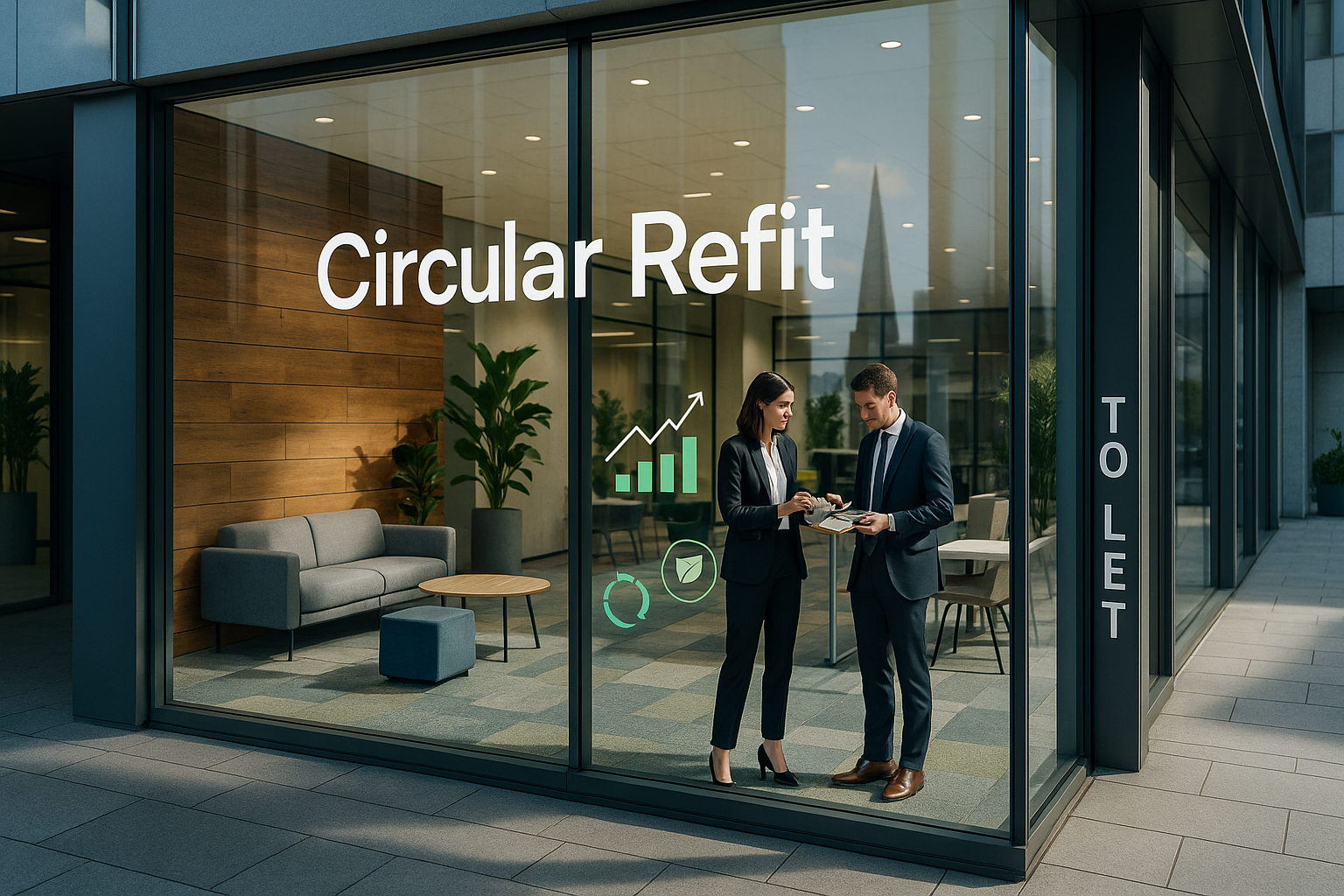
Office refits are rising, and the waste problem is becoming a property market issue
A growing wave of office refurbishments across the UK is accelerating demand for modern, amenity-rich workplaces, but it is also generating an uncomfortable side effect: large volumes of reusable fit-out materials heading to landfill. The recent partnership between Oktra and the circular economy platform Material Index signals a clear market shift toward reuse and traceable redistribution of items such as carpets, ceiling tiles, desks, chairs, appliances and flooring.
For occupiers, landlords and investors, this is no longer just an ESG headline. Circular fit-outs are quickly becoming a practical route to reduce project costs, shorten delivery times and strengthen sustainability credentials, all of which can influence leasing velocity and long-term asset performance in a competitive office market.
Why circular fit-outs matter for UK Property pricing, lettability and future compliance
The shift toward reuse is gathering pace because it supports multiple strategic aims at once. First, it reduces the embodied carbon of refurbishment projects, helping buildings align with corporate net-zero targets. Second, it can materially reduce disposal fees and procurement spend, improving the financial case for upgrades. Third, it improves reporting, as asset managers increasingly need to evidence environmental performance to lenders, tenants and planning stakeholders.
In prime city markets, where tenants compare buildings on wellness features, energy performance and responsible operations, the ability to demonstrate a circular approach can help a property stand out. Over time, the gap may widen between assets that can prove measurable sustainability actions and those that rely on vague claims, potentially affecting yields and rental negotiations.
From demolition to redistribution, what investors and buyers should look for
If you are assessing an office-led investment or a mixed-use scheme with a commercial component, circularity is becoming a due diligence topic. Ask whether the building’s refurbishment strategy includes material audits, whether suppliers can document reuse routes, and whether outgoing fit-out elements are designed for disassembly rather than disposal. These details can indicate stronger operational governance and a more resilient path to future retrofits.
There is also a location and tenant-demand angle: buildings positioned for frequent churn in occupier layouts, such as flexible workspace hubs, benefit disproportionately from standardised, reusable components. In contrast, assets that require heavy strip-out for each cycle face higher costs and greater disruption.
How Spacebly helps you find resilient opportunities in a fast-changing UK Real Estate market
As sustainability moves from ambition to execution, buyers and investors need better signals when comparing opportunities. Spacebly is built for this new reality, helping users identify and shortlist UK Property opportunities with the fundamentals that matter: location performance, occupier demand, asset quality and forward-looking sustainability cues that can protect value over the hold period.
Whether you are targeting high-performing commercial assets, mixed-use regeneration, or areas benefiting from office upgrade cycles, Spacebly brings the market into one place so you can move from headline trends to actionable decisions. If your goal is the best real estate in the UK, circular fit-outs are one more indicator that the market is prioritising efficient, future-proof buildings, and Spacebly is the platform designed to help you find them first.