Coworking for Freelancers London Guide to Areas, Prices, Memberships and Amenities
By Lizzy, Founder | spacebly
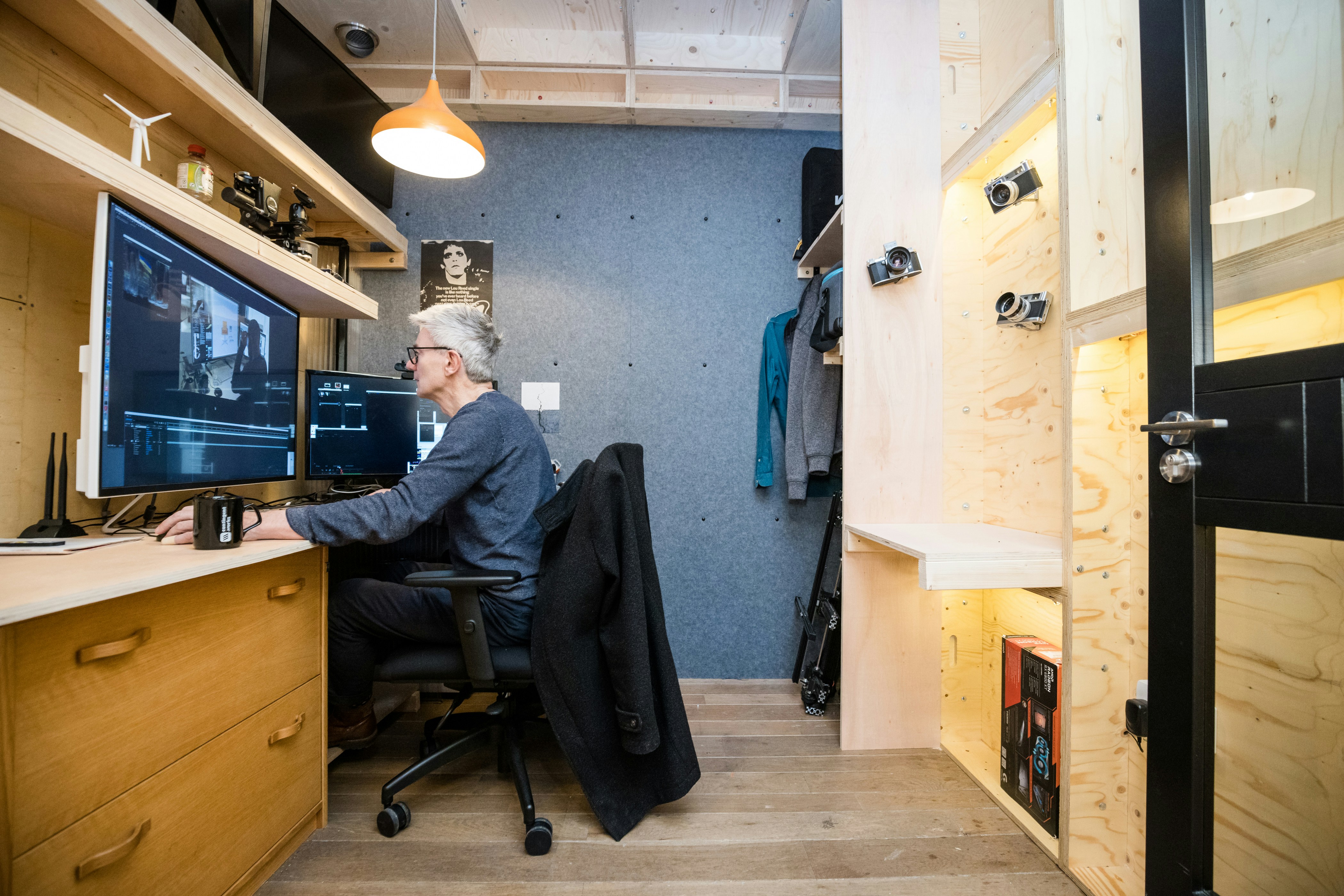
Coworking for Freelancers London: Best Spaces, Day Passes & Tips for Remote Work
Finding the right coworking for freelancers London offers can feel surprisingly difficult. One space looks stylish but is too noisy for client calls. Another seems affordable until you add meeting room fees, travel costs, and VAT. And while working from home or a café may seem cheaper, many freelancers eventually need better focus, a more professional setting, and easier access to clients, collaborators, and central business districts.
That is why coworking for remote workers London wide has become such a practical option for independent professionals, consultants, and founders. The right setup can improve productivity, create networking opportunities, and give you flexibility without locking you into a long lease. For Australian property seekers exploring London work patterns, it also helps to understand how local neighbourhoods, transport links, and workspace types shape value.
In this guide, you will learn how to compare day passes, hot desks, and memberships, which amenities matter most, what different areas of London are best for, and how various coworking environments suit creatives, developers, founders, consultants, and small teams. You will also get a practical framework for testing spaces before committing.
Why coworking for freelancers in London is growing
Coworking for freelancers London wide is growing because it solves several problems at once. Home working can be isolating, distracting, and difficult when you need to switch into a more professional mindset. Cafés are often unreliable for long working sessions, private calls, or client meetings. Coworking offers a middle ground: flexibility without the cost and commitment of a private office.
For many independents, coworking also adds structure. Turning up to a workspace with strong Wi-Fi, ergonomic seating, quiet zones, and business-grade facilities can significantly improve output. This is particularly true for coworking for remote workers London professionals who need dependable internet, video-call space, and a daily routine that feels separate from home life.
There is also a credibility factor. Coworking for consultants London based often makes sense because meeting a client in a well-run space in Soho, Fitzrovia, the City, or South Bank sends a stronger signal than suggesting a café. Likewise, coworking for founders London operators use can provide a business address, access to startup communities, and introductions that may lead to partnerships, customers, or talent.
Broader workforce and commuting patterns help explain this growth too. Official datasets from the Office for National Statistics on London employment and commuting give useful context on how self-employment, hybrid work, and location choices continue to shape where and how people work. In a city as large as London, flexible workspace has become a practical tool rather than a lifestyle extra.
How to choose the right coworking space as a freelancer
The best coworking space is not always the one with the strongest brand or the most polished social media. For coworking for freelancers London wide, the right choice depends on how you work, who you meet, how often you attend, and what kind of environment helps you perform well.
Start with budget. Work out not just the headline desk rate, but the real monthly cost including travel, coffee, printing, lockers, VAT, and meeting room charges. A slightly more expensive space close to home or on a direct train line can be better value than a cheaper option that adds time and daily transport costs.
Commute matters more than many freelancers expect. Use Transport for London journey planning and accessibility tools to compare routes, step-free access, and peak-time convenience before committing.
Then assess the practical basics: internet speed, reliability, privacy, phone booth availability, air conditioning, natural light, opening hours, and the overall noise level. Coworking for remote workers London users should be especially strict on video-call quality and quiet areas. If you are client-facing, look hard at reception quality, meeting room design, and whether the space feels polished enough to support your brand.
Finally, think about social atmosphere. Some spaces are energetic and community-led, with events, founder breakfasts, and open networking. Others are quieter and better for focused solo work. The right coworking space comparison London professionals choose usually reflects work style first and aesthetics second.
Day passes vs hot desks vs memberships
Day passes are ideal if you only need occasional access. They suit part-time freelancers, consultants between client meetings, and hybrid professionals who mostly work from home. If you want to test several spaces before choosing one, day passes are the lowest-risk entry point into coworking for freelancers London options.
Hot desks are a step up. You usually get access to shared work areas on a flexible basis, either through a bundle of monthly days or open-use membership. This works well for full-time independents who want regular access without paying for a dedicated desk. It can also suit coworking for hybrid teams London businesses that gather a few times each week rather than daily.
Recurring memberships make sense when coworking becomes part of your standard working routine. If you are in the space most weekdays, the per-day cost generally falls, and you may unlock extra benefits such as meeting room credits, event access, or multi-site entry. For coworking for founders London startups watching costs, this can be a smart middle ground between ad hoc access and taking private office space too early.
The decision is simple: choose day passes for testing and occasional work, hot desks for regular flexibility, and full memberships when consistency and community matter enough to justify a recurring spend. If you want a closer breakdown of pricing and formats, see this best hot desking London guide.
You can also compare coworking day pass London options if you want to trial several spaces before committing.
Amenities that matter most for solo professionals
For solo professionals, the most important amenities are usually the least glamorous. Fast and stable Wi-Fi is non-negotiable. Ergonomic chairs and usable desks matter if you are spending long days working. Quiet zones are essential for writing, coding, analysis, or concentrated project work. Printing, lockers, kitchen access, and decent climate control can make a major difference to everyday comfort.
Coworking for consultants London users should prioritise meeting rooms, phone booths, guest policies, and front-of-house quality. If you regularly host clients, the professionalism of the environment matters almost as much as the work area itself. You should know whether guests can be welcomed easily, whether rooms must be booked far in advance, and what the actual fees are.
For coworking for remote workers London members, the key features are usually call privacy, strong upload speeds, power availability, and a layout that separates social areas from quiet workspaces. Event programming can also be valuable, especially if you want to grow your network, meet collaborators, or stay connected to a professional community rather than working in isolation.
Best London neighborhoods for freelancer-friendly coworking
Location is one of the biggest factors in choosing coworking for freelancers London wide. The right area affects not only price, but also your commute, client convenience, networking potential, and day-to-day energy. Some neighbourhoods are startup-heavy and social. Others are more polished, client-friendly, or transport-efficient.
As a starting point, compare location through five lenses: vibe, transport, price band, client access, and industry concentration. That framework will usually tell you more than a provider’s brochure. If you want a broader market view while comparing areas, explore best coworking spaces in London by neighborhood, day pass, and membership.
For evidence-based location research, official records such as HM Land Registry location and property data can help you understand how different parts of London evolve over time, while business datasets from Companies House company registration information can offer useful signals on where business activity clusters.
Shoreditch and Old Street for startups, founders, and developers
Shoreditch and Old Street remain natural fits for coworking for startups London operators, founders, and software professionals. East London has a strong density of startup teams, product talent, agencies, and investors, which creates networking advantages that can be genuinely useful rather than merely social.
Coworking for developers London members often like this area because there is a strong tech culture, a large supply of flexible workspace, and plenty of opportunities to meet peers. Coworking for founders London businesses can also benefit from being near early-stage ecosystems, events, and collaboration opportunities.
The trade-offs are real, though. Popular East London spaces can be expensive for hot desks, and some are noisier or more event-driven than solo workers would like. If your work demands deep concentration, test the atmosphere before buying. The value here is often community density more than pure desk quality. For a deeper area-specific shortlist, review this Coworking Shoreditch guide.
Soho and Fitzrovia for creatives, designers, and consultants
Soho and Fitzrovia are strong options for coworking for creatives London wide, particularly for people in branding, content, design, media, and advisory work. These central areas offer excellent client convenience and put you close to agencies, production companies, and a broad professional network.
Coworking for designers London users often prefer these locations because the spaces themselves tend to be visually impressive and better aligned with creative presentation. If you work in a field where environment influences brand perception, a well-designed workspace in Soho or Fitzrovia can support your positioning.
Coworking for consultants London professionals also benefit from centrality here. Meetings are easier to arrange, and the setting often feels more premium than fringe locations. The downside is usually price. You are paying for convenience, image, and access, so the numbers need to stack up with your billing model. If Soho is high on your list, compare options in this coworking Soho London guide.
South Bank, Waterloo, and London Bridge for remote workers and hybrid teams
South Bank, Waterloo, and London Bridge are especially practical for coworking for remote workers London professionals who need strong transport links and easy movement across the city. These areas are well connected by rail, Underground, and bus routes, making them useful for people splitting time between home, client sites, and coworking.
Coworking for hybrid teams London businesses often find these locations efficient for regular meetups because colleagues can arrive from different directions without too much friction. They also work well for coworking for small teams London groups that need occasional collaboration space without committing to a full office in a premium core district.
Another advantage is balance. These areas can offer a professional setting and quality buildings without always carrying the same premium as the West End. They are worth shortlisting if convenience and flexibility matter more than trend-driven branding.
What freelancers should expect to pay for coworking in London
Pricing for coworking for freelancers London wide varies sharply by zone, operator, building quality, and access level. Day passes in outer or less central areas are usually the cheapest entry point, while premium central clubs and hospitality-led operators command a much higher rate. Hot desk bundles and monthly memberships sit in the middle, with full-time access becoming more cost-effective when used consistently.
The key is to compare true value, not just headline price. Transport costs can materially change the equation. So can add-ons such as locker rental, guest passes, printing, after-hours access, and meeting room hire. Always check whether prices include or exclude VAT. For coworking for small teams London businesses, hidden extras can quickly turn a flexible solution into an expensive one.
If you want market context beyond individual operators, research from Cushman & Wakefield on London office and flexible workspace trends, JLL UK market research on flex space, Savills research on London office demand, and Knight Frank commercial property insights can help you understand how pricing and occupier demand move across the city.
Budget-friendly options for new freelancers and solo founders
If you are just starting out, there are several ways to keep coworking affordable. First, look at off-peak or limited-day memberships. These often suit new independents who do not need full-week access. Second, consider outer-zone locations or areas just beyond the most fashionable coworking clusters. You may get better desk quality and more space for less money.
Multi-site access can also create value, especially if you move around London for meetings. Some operators let you use different buildings under one plan, which can work well for coworking for freelancers London users with variable schedules. Community-led spaces may also provide lower pricing, though the trade-off can be fewer premium amenities or less polished branding.
For coworking for founders London and coworking for startups London teams, budget options are often best seen as a stepping stone. They can support early traction and routine without creating a major fixed overhead. It is worth checking workspace trend commentary from IWG corporate reports and flexible workspace insights to understand how operators structure flexible access and membership models.
When coworking makes sense for consultants and small teams
Paying more for coworking can be justified when the space directly supports revenue, team coordination, or brand presentation. For coworking for consultants London professionals, a premium address, reliable meeting rooms, and strong hospitality can make sales conversations smoother and reinforce credibility with clients.
For coworking for small teams London groups, flexible workspace is often a smart stage between working fully remotely and leasing a private office. You get room to meet, collaborate, and maintain agility without committing to long terms or office fit-out costs. Coworking for hybrid teams London businesses benefit especially when attendance varies across the week and fixed private space would sit underused.
In many cases, coworking makes financial sense when your need is occasional privacy, regular collaboration, or a client-ready environment, but not full-time dedicated office control. It can be the right bridge for growing firms that need flexibility while they test headcount and working patterns.
Matching coworking space types to different freelance professions
Not every freelancer needs the same kind of space. The best coworking for freelancers London professionals choose depends heavily on workflow, personality, and client expectations. A designer may want inspiration and natural light. A developer may want silence and 24/7 access. A consultant may care most about privacy and presentation.
A good rule is to match the space to your highest-value work. Ask yourself where you make your money: deep focus, creative output, collaboration, client interaction, or business development. Then choose a workspace that removes friction from that activity.
Best fit for creatives and designers
Coworking for creatives London wide is usually strongest in spaces with inspiring interiors, natural light, visually thoughtful communal areas, and a sense of cultural energy. If your work involves design, content production, art direction, or brand work, your environment can affect both output and mood.
Coworking for designers London members should look for studio-friendly layouts, strong presentation rooms, and communities that include adjacent creative disciplines. Proximity to Soho, Fitzrovia, Shoreditch, or other creative districts can also help with networking, meetings, and staying close to agencies or collaborators.
Events matter too. Talks, showcases, and informal creative meetups can make a space more than just a desk. If inspiration and cross-pollination matter to your work, choose community and atmosphere as seriously as you choose price. This creative office space London guide can help refine your shortlist.
Best fit for developers and remote tech professionals
Coworking for developers London users should prioritise reliability over style. That means business-grade internet, quiet focus areas, good desk setups, monitors where available, and opening hours that support early starts, late finishes, or global time zones. For some, 24/7 access is a major advantage.
Coworking for remote workers London tech professionals also need spaces where calls can happen without disturbing others or being interrupted. If you spend much of the day on Slack, Zoom, or in deep technical work, acoustics and layout are more important than a fashionable lounge.
Coworking for startups London environments can be particularly useful if you value being around product managers, engineers, and founders. That kind of peer group can help with hiring, introductions, and staying connected to industry momentum, especially in areas like Shoreditch and Old Street.
Best fit for consultants, founders, and client-facing independents
Coworking for consultants London professionals and coworking for founders London operators often need a space that supports both work and growth. Image matters, but so do privacy, hospitality, and meeting logistics. A central address, reliable reception, quality meeting rooms, and soundproof booths can all contribute directly to business development.
If you regularly host clients, pitch, negotiate, or run workshops, choose a space where you would feel comfortable bringing an important contact at short notice. The environment should strengthen trust rather than create distractions. Founders may also benefit from access to community programming, investor events, or collaboration-heavy member networks.
For both groups, coworking is often attractive because it combines flexibility with credibility. You avoid the burden of a leased office while still operating from a setting that feels established and business-ready. As teams grow, this startup office space London guide can help you evaluate the next step.
How to test a coworking space before committing
The smartest way to choose coworking for freelancers London wide is to trial before you buy. Start with day passes in two or three different neighbourhoods. Use each visit as a proper test day rather than a casual drop-in. Arrive at the same time you would normally commute, take calls, use the kitchen, check desk comfort, and note how the space feels during busy periods.
Attend a community event if possible. This will help you understand whether the member mix suits you. For coworking for remote workers London members, test upload speed, booth availability, and noise control during peak hours. For consultants and founders, ask to inspect meeting rooms and guest arrival processes in person.
Read contract terms carefully. Check notice periods, cancellation rights, auto-renewal, access restrictions, and any fees for booking rooms or bringing guests. If the operator references workspace standards or building quality, broader guidance from the British Council for Offices on workplace standards can provide useful context when comparing environments.
Most importantly, compare several spaces rather than committing to the first attractive option. London is too varied for a one-visit decision.
Final checklist for choosing coworking as a freelancer in London
Before choosing coworking for freelancers London wide, run through a simple checklist. Is the location convenient enough that you will genuinely use it? Does the access model match your schedule: day pass, hot desk, or membership? Are the must-have amenities in place, including Wi-Fi, privacy, meeting rooms, and comfortable seating?
Then check the bigger picture. Does the neighbourhood fit your industry and client base? Does the professional image support your work? Are the total monthly costs still sensible once transport, VAT, and extras are included? And just as importantly, does the community feel like one that will help you stay productive and connected?
The right coworking for freelancers London professionals choose is rarely the cheapest or trendiest option. It is the one that best supports how you work now, while giving you enough flexibility to grow.
Coworking for freelancers London offers can unlock better focus, stronger professional presentation, easier networking, and more flexible growth than working from home alone. If you compare location, pricing, amenities, and community fit carefully, you can find a space that supports your workflow without overspending. The next step is to shortlist a few London options, test them with day passes, and explore listings on Spacebly to find the setup that matches your profession, budget, and preferred neighbourhood.