Coworking for Freelancers London Guide to Costs Memberships Areas and Amenities
By Peter Dudley, Co-Founder | spacebly
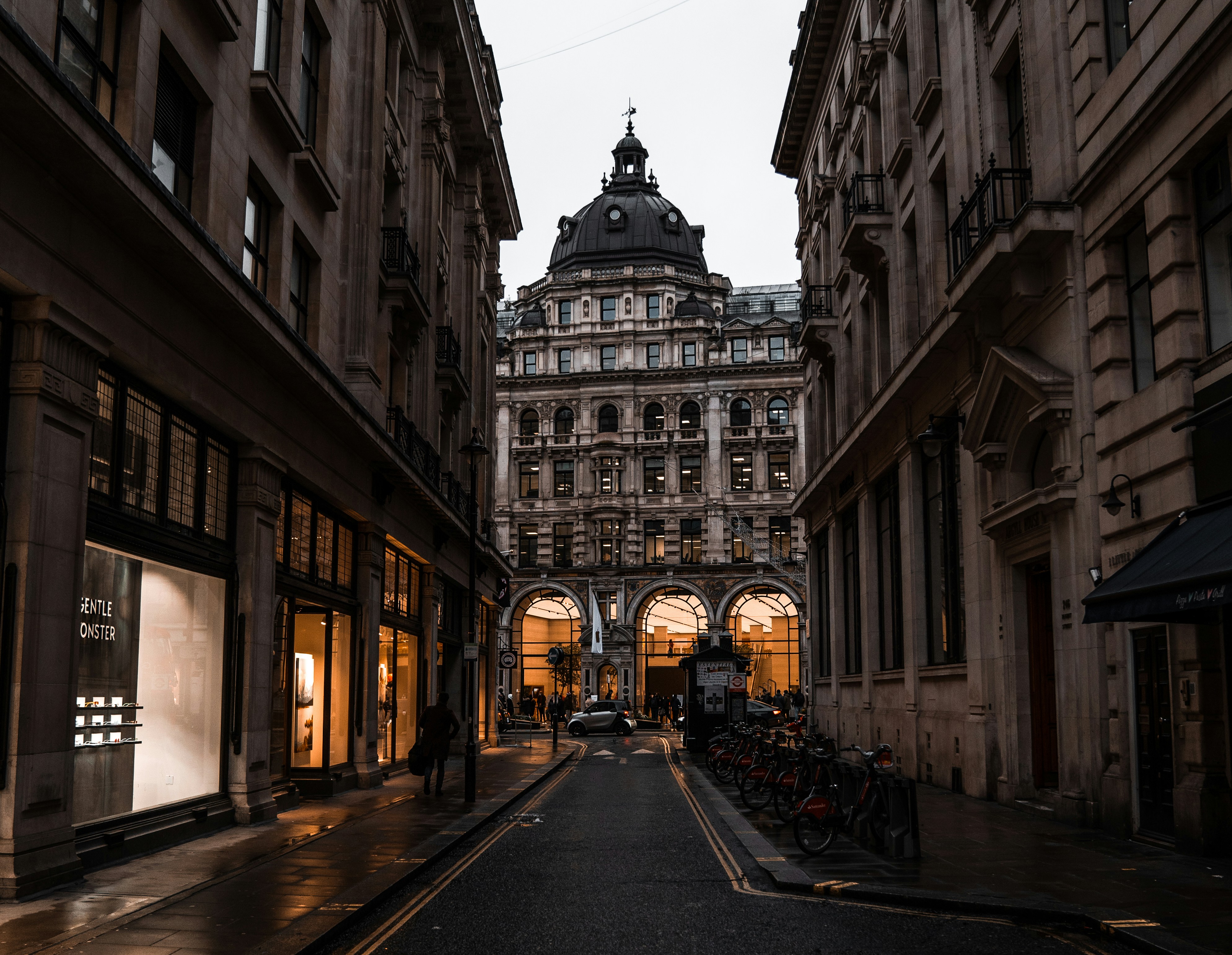
Price check, October 2026: the median quoted desk price in London was £586 a month excluding VAT, with the middle half of buildings between £385 and £807, across 749 buildings. Source: Spacebly Flexible Office Price Index, October 2026. Booking through Spacebly can also earn you cashback.
Coworking for Freelancers London: Best Spaces, Costs, Memberships & What to Look For
Choosing the right coworking for freelancers London can feel surprisingly difficult. One space looks stylish but expensive, another is affordable but lacks meeting rooms, and a third offers flexible memberships without the location or atmosphere you need. For freelancers, remote workers, consultants, creatives, and solo founders, the wrong setup can mean wasted money, poor focus, and a work routine that never quite fits.
London offers a huge range of workspace options, from casual day-pass venues to premium members clubs, startup-friendly hubs, and flexible desks built for hybrid working. That variety is a real advantage, but it also means you need a clear way to compare price, amenities, neighbourhoods, and membership terms before committing.
This guide breaks down how coworking for freelancers London works in practice, who benefits most, what different plans usually cost, and how to match a space to your budget and work style. Whether you are after a few productive days a month or a full-time base for client meetings and growth, this article will help you narrow the field with confidence.
Why coworking for freelancers in London is growing
Demand for coworking for freelancers London has grown because independent professionals want more flexibility than a traditional office lease and more structure than working from home every day. For many people, coworking offers a practical middle ground: a professional place to work, predictable monthly costs, and access to business-grade amenities without the overheads of renting a private office.
London-specific factors also matter. Long commutes make five-day office attendance less attractive, while hybrid schedules have changed what people expect from workspace. Many freelancers now prefer using a local or part-time base only when they need focus, meetings, or a change of scene. This helps explain the rise of coworking for remote workers London and coworking for hybrid teams London, especially in neighbourhoods with strong transport access. For commuting patterns and accessibility by area, readers can compare routes through Transport for London journey planning and network information.
The market itself has matured too. Large operators and local independents now offer everything from day passes to rolling monthly memberships, making it easier to test a space before joining long term. Broader labour and work-from-home patterns also support this shift, with useful context available from the UK Office for National Statistics on employment, self-employment, and remote work trends. At the same time, major flexible workspace groups continue to expand their footprint, with company context available from IWG plc corporate and market information.
Who should consider freelancer-friendly coworking spaces
Not every independent worker needs the same type of workspace. The best coworking for freelancers London depends on how often you work away from home, whether you meet clients, how much privacy you need, and whether you work mostly alone or with collaborators. Understanding your own working pattern is the fastest way to avoid overpaying for features you will rarely use.
In broad terms, freelancer-friendly spaces tend to suit people who value flexibility but still want better focus, professionalism, and routine. That includes remote workers, consultants, creatives, developers, founders, and small teams at different stages of growth.
Remote workers who need structure and better work-life boundaries
Coworking for remote workers London is especially attractive for people who have discovered that home working is not always ideal. Distractions, limited space, unreliable video-call setups, and the blurred line between personal time and work can all reduce productivity over time. A coworking space creates physical separation between home and work, which often improves routine, concentration, and mental switch-off at the end of the day.
For distributed professionals, coworking can also solve isolation. Even if you do not need daily socialising, being around other working people can make your week feel more structured and energised. This is one reason coworking for freelancers London continues to appeal to solo operators who want accountability without committing to a full office.
Consultants and client-facing independents
Coworking for consultants London often comes down to image and convenience. If you regularly meet clients, host presentations, or need a central venue for discussions, a polished shared workspace can be much more effective than working from cafés or booking hotels ad hoc. Meeting rooms, reception services, breakout lounges, and prestigious postcodes all contribute to a stronger professional impression.
This group should pay close attention to room availability, booking systems, guest policies, and whether the space feels appropriate for the type of clients you serve. A highly creative venue may be perfect for some consultants, while others need a quieter, more corporate setting with reliable privacy for sensitive conversations.
Creatives, designers, and developers
Coworking for creatives London, coworking for designers London, and coworking for developers London tends to be judged on day-to-day usability rather than branding alone. Strong Wi-Fi, enough power points, ergonomic seating, external monitor compatibility, and a mix of quiet and collaborative zones are often more important than trendy interiors.
This audience also values atmosphere. Designers and creatives may want inspiring, well-lit spaces with community events and visually engaging environments, while developers may prioritise quiet focus areas, late access, and dependable internet speeds. The best spaces manage to offer both concentration and connection, which is why trial days are so useful before joining.
Founders, startups, and small teams
Coworking for founders London, coworking for startups London, and coworking for small teams London is often the bridge between working from home and taking on a private office. Early-stage businesses use coworking to keep overheads low while gaining access to a professional base, community connections, and flexible terms that can scale as the team grows.
This can be especially helpful when a business is testing headcount or project demand. Rather than locking into a long lease, founders can start with hot desks or team memberships and move into a private suite later if needed. Readers looking at startup trends and business formation can find useful context through Companies House official company formation and business information.
What to look for in the best coworking spaces for freelancers
The best coworking for freelancers London is not automatically the most stylish or the most central. A better way to compare spaces is to look at how well each one supports your actual workflow. Think about how often you need to attend, what kind of calls or meetings you host, how much quiet focus time you need, and whether networking is a priority or just a bonus.
For example, coworking for consultants London may hinge on meeting-room quality and client access, while coworking for creatives London may depend more on community, comfort, and work-friendly design. The point is to assess value in terms of use, not just headline price.
Pricing, day passes, and membership flexibility
Most operators offer several ways to access a space. Day passes are ideal if you only need occasional use or want to test different venues before joining. Hot desk memberships usually give shared access on a more regular basis, either part-time or unlimited, while dedicated desks and private offices suit members who want consistency or storage.
For coworking for freelancers London, the right option often depends on frequency. If you work out of a shared space once or twice a week, a pay-as-you-go or limited-days plan can make better financial sense than unlimited access. If you attend four or five days each week, a monthly membership may be better value and easier to budget for. This is also a major consideration in coworking for remote workers London, where usage patterns vary widely depending on employer flexibility and home setup. Readers comparing flexible desk access can also explore best hot desking options in London.
Internet reliability, desks, phone booths, and meeting rooms
Practical details have a bigger impact on productivity than many first-time users expect. If you are considering coworking for developers London, check internet speed, stability, and whether heavy uploads or multiple simultaneous calls are handled well at peak times. If you are weighing coworking for consultants London or coworking for designers London, look closely at phone booths, meeting-room acoustics, screen-sharing facilities, and room-booking fairness.
It is also worth checking power access, desk sizes, monitor support, printing, lockers, kitchen facilities, and ergonomic seating. A beautiful lounge area does not help much if the workstations are cramped or the call booths are constantly full. These basics often determine whether a space feels sustainable after the novelty wears off.
Community, events, and collaboration opportunities
For many members, the extra value in coworking comes from the people around them. Coworking for founders London and coworking for startups London can be especially rewarding where spaces host founder breakfasts, investor sessions, workshops, and informal networking. Those events can lead to referrals, partnerships, contractors, and even clients.
Coworking for creatives London can also benefit from a strong community, particularly in venues that run talks, portfolio nights, or collaborative events. Still, not everyone wants a highly social environment. Some freelancers prefer a quieter, more focused member base, so community fit matters as much as the existence of events.
Best London neighborhoods for freelancer coworking
Location can change everything: cost, atmosphere, commuting time, and the kinds of members you are likely to meet. For anyone researching coworking for freelancers London or coworking for small teams London, neighbourhood choice is one of the biggest drivers of both budget and experience. If you want a broader comparison of best coworking spaces in London by neighborhood, day pass, and membership, it helps to start with the main area types below.
Market comparison platforms such as Instant Offices London coworking listings and pricing comparisons and Workthere flexible workspace insights and operator comparisons can be useful for shortlisting by area, budget, and membership type.
Central London: Soho, Covent Garden, Holborn, and Fitzrovia
These central areas remain popular for coworking for consultants London and coworking for designers London because they are easy to reach from multiple parts of the city and carry a strong professional image. If your work involves frequent client meetings, central London can reduce travel friction and make in-person catchups more practical.
The trade-off is price. Premium buildings, high demand, and prestigious addresses usually mean higher day rates and monthly memberships. Availability can also be tighter in the most sought-after buildings, so peak-time touring and trial visits are worth doing before you commit. For a more specific area breakdown, see this coworking Soho London guide.
East London: Shoreditch, Old Street, and Hackney
East London is a natural fit for coworking for startups London, coworking for founders London, coworking for developers London, and coworking for creatives London. The area has long been associated with startup energy, digital businesses, agencies, and independent brands, so the member mix often reflects that ecosystem.
Spaces here may offer a stronger community feel, more collaborative programming, and an environment that suits founders and makers who want to be around similar businesses. Depending on the exact location and building quality, prices may still be high, but there is often a wider range of operator styles than in the most traditional business districts.
South and West London options for value and convenience
For coworking for hybrid teams London, coworking for small teams London, and coworking for remote workers London, South and West London can be a smart option when daily access to Zone 1 is not essential. Local neighbourhood workspaces may offer shorter commutes, easier routines, and better value than highly central alternatives.
These areas can suit freelancers who only need a few days each week in a shared workspace or who want a productive environment closer to home. They may also be more practical for small teams spread across different postcodes. To understand local economic and employment context by borough, the Greater London Authority Datastore is a helpful official source.
Get cashback on your first-year licence fee
How much coworking for freelancers in London costs
Pricing for coworking for freelancers London varies widely depending on location, operator brand, building quality, membership inclusions, and access level. A premium central site with concierge service, design-led fitout, and generous meeting-room credits will naturally cost more than a local workspace offering basic desks and Wi-Fi.
Commercial property patterns and place-based context can also influence pricing by area. For readers interested in official land and location data, HM Land Registry open property data can provide useful background. Broader office market reporting is also available through JLL UK research on London office and flexible workspace trends.
Typical price ranges for day passes, hot desks, and monthly plans
As a broad guide, day passes in London often start around the lower end of the market in outer or simpler spaces and rise meaningfully in prime central locations. Monthly hot desk plans can range from relatively accessible local memberships to premium unlimited-access packages in well-known buildings. Dedicated desks and private team rooms sit above that again.
The key is not to compare headline price alone. In coworking for freelancers London and coworking for remote workers London, one membership may include meeting-room credits, printing, events, coffee, and longer access hours, while another charges extra for nearly everything. A cheaper plan can easily become more expensive once you add the features you actually use.
Hidden costs freelancers should check before joining
Before signing up, ask exactly what the quoted price includes. VAT can make a meaningful difference to affordability, particularly for freelancers on tight budgets. Meeting-room overage charges, printing fees, locker costs, access-card charges, guest fees, and deposits can all add up quickly.
This matters for coworking for consultants London, where meeting room usage may be frequent, and for coworking for founders London, where team growth can trigger extra charges. Freelancers should also review cancellation notice periods and any tax treatment relevant to business expenses. For official guidance, see HMRC guidance on self-employment and allowable business expenses.
How freelancers can choose the right coworking setup
The best coworking for freelancers London usually comes from matching workspace type to actual working habits. Start by asking how many days per month you need a desk, whether you host clients, how important your commute is, and whether you work best in quiet or social environments. Then set a realistic monthly budget that includes any likely extras.
For anyone considering coworking for hybrid teams London, it also helps to think about flexibility over the next six to twelve months. A setup that works for one person today may need to support ad hoc team days, project collaboration, or client workshops later on. Businesses comparing broader flex options may also find this flexible workspace London guide for teams useful.
Best options for solo freelancers versus growing teams
Solo independents usually benefit most from day passes, part-time hot desk plans, or flexible monthly access. These options keep costs variable and allow experimentation across different spaces. If your work is mostly laptop-based and client meetings are occasional, there is often no need to pay for a dedicated desk.
For coworking for small teams London, coworking for startups London, and coworking for founders London, shared memberships or small private rooms become more attractive once coordination matters. If two to five people need regular collaboration, secure storage, and predictable seating, moving from casual desks to a team package can improve productivity and simplify planning.
Questions to ask before booking a tour or trial day
Bring a checklist and test the space like you would test software or any other business tool. Ask about actual internet performance at busy times, average desk availability, noise levels, booking rules for call booths, and whether access hours suit your schedule. These points are especially important in coworking for developers London and coworking for designers London, where focus and workflow consistency matter.
You should also ask: Are there blackout periods for meeting rooms? How quickly can you cancel or upgrade? Are guests allowed? Is there enough natural light? Does the member mix feel aligned with your work? For coworking for freelancers London, the right community fit can be just as important as the desk itself. If you want a wider market comparison before touring, browse this best coworking London guide by area.
Freelancer coworking FAQs in London
Is coworking worth it for freelancers in London?
For many people, yes. Coworking for freelancers London can improve focus, routine, professionalism, and networking while avoiding the fixed costs of a private office. The value is strongest when you use the space regularly or rely on features like meeting rooms and call booths.
Are day passes better than monthly plans?
It depends on how often you attend. Day passes suit occasional use and testing different venues. Monthly plans are usually better value if you need consistent access. This is a common calculation for coworking for remote workers London, where attendance patterns vary from once a week to full time.
Which London areas suit consultants best?
Central districts such as Soho, Covent Garden, Holborn, and Fitzrovia are often strong options for coworking for consultants London because they are accessible and professional for client meetings.
Which neighbourhoods are popular with startups and creatives?
Shoreditch, Old Street, and parts of Hackney are often shortlisted for coworking for startups London and coworking for creatives London thanks to their strong founder, agency, and tech communities. For a deeper East London comparison, see this Coworking Shoreditch 2026 guide.
What matters most when comparing spaces?
Look beyond style. Compare membership flexibility, total monthly cost, internet reliability, phone booth access, meeting-room rules, commute time, and whether the environment actually supports how you work.
The right coworking for freelancers London should make your work easier, not just look impressive on a tour. If you focus on how often you will use the space, what amenities genuinely matter, and which neighbourhood fits your routine, you can find a setup that supports better productivity, stronger client interactions, and smarter cost control. When you are ready to compare flexible workspace options, explore listings on Spacebly or speak with a professional to narrow down the best match for your budget, location, and way of working.
Related guides
- Coworking London (2026): Best Spaces, Prices, Day Passes & Area Guides
- Coworking West London 2026 Guide: Best Areas, Costs, Day Passes vs Serviced Offices
- Coworking Day Pass London Guide to Prices, Areas, Amenities and Same Day Booking
- Coworking day pass London in 2026: prices, 24-hour access, day office hire and booking
- Office Space to Rent in London (2026): Prices, Areas, Lease Types & How to Choose